California water heater repair, installation and replacementResidential and commercial service
Water Heater Repair CAWater heater service for California homes and businesses
Need help with a water heater?(800) 370-2296Call Our Team
REPLACING A FAILING WATER HEATER IN CALIFORNIA

Water Heater Replacement in California

When your existing water heater leaks, stops working or no longer meets your hot-water needs, replacement may be the practical choice. Water Heater Repair CA serves covered California communities with licensed plumbing professionals and insured service professionals who assess the old heater, discuss gas and electric replacement options, and explain the work your property may need. Same-day water heater replacement assessments or scheduling discussions may be available, but equipment, site requirements and the actual installation date must be confirmed for your address.

Call with your city and ZIP code, heater fuel type, approximate age and the problem you are seeing.

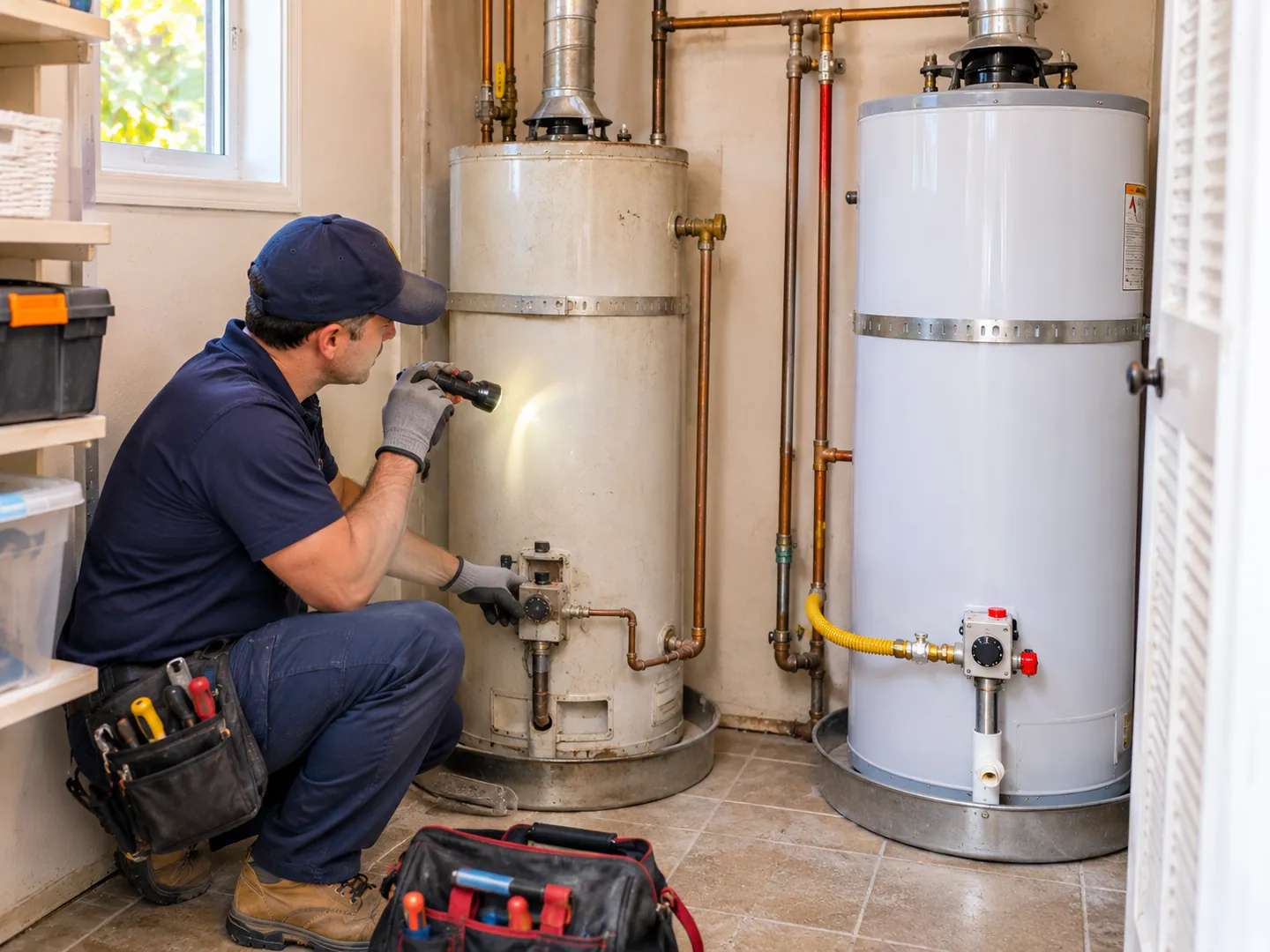
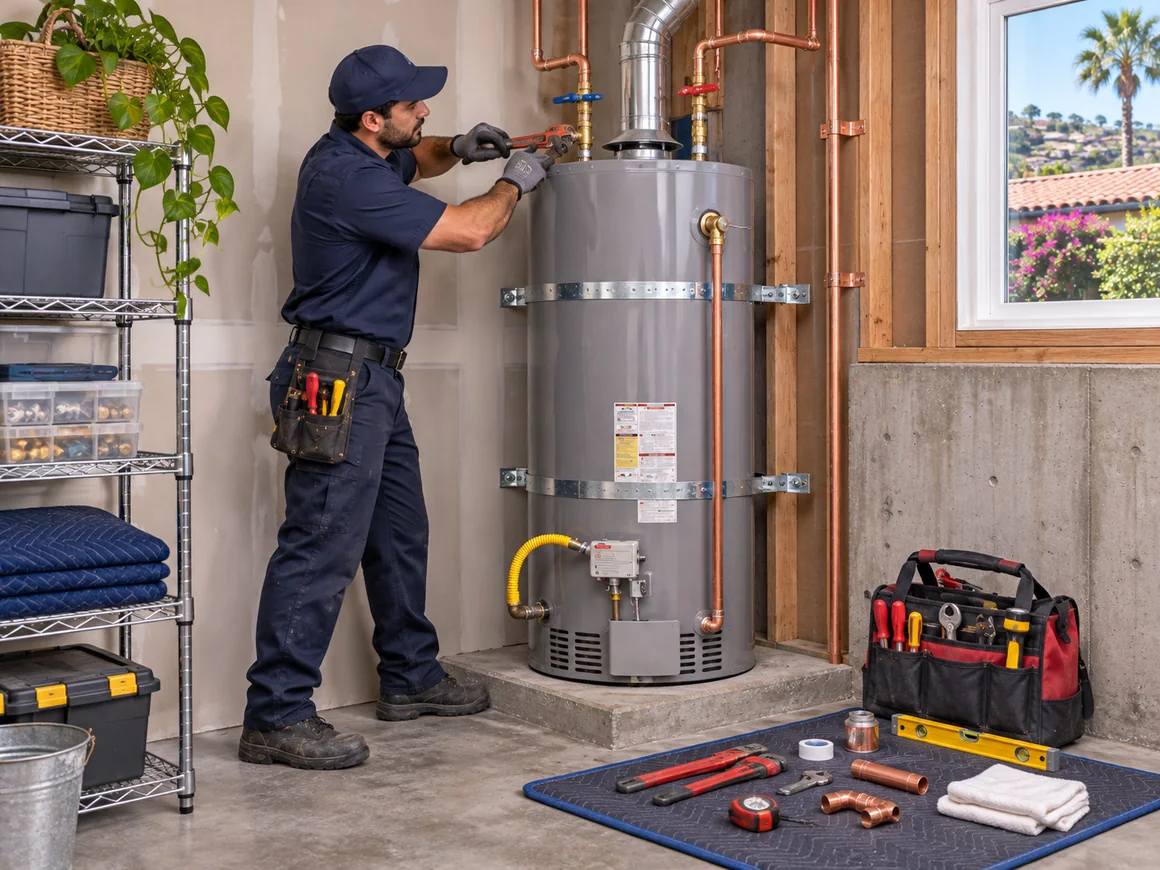
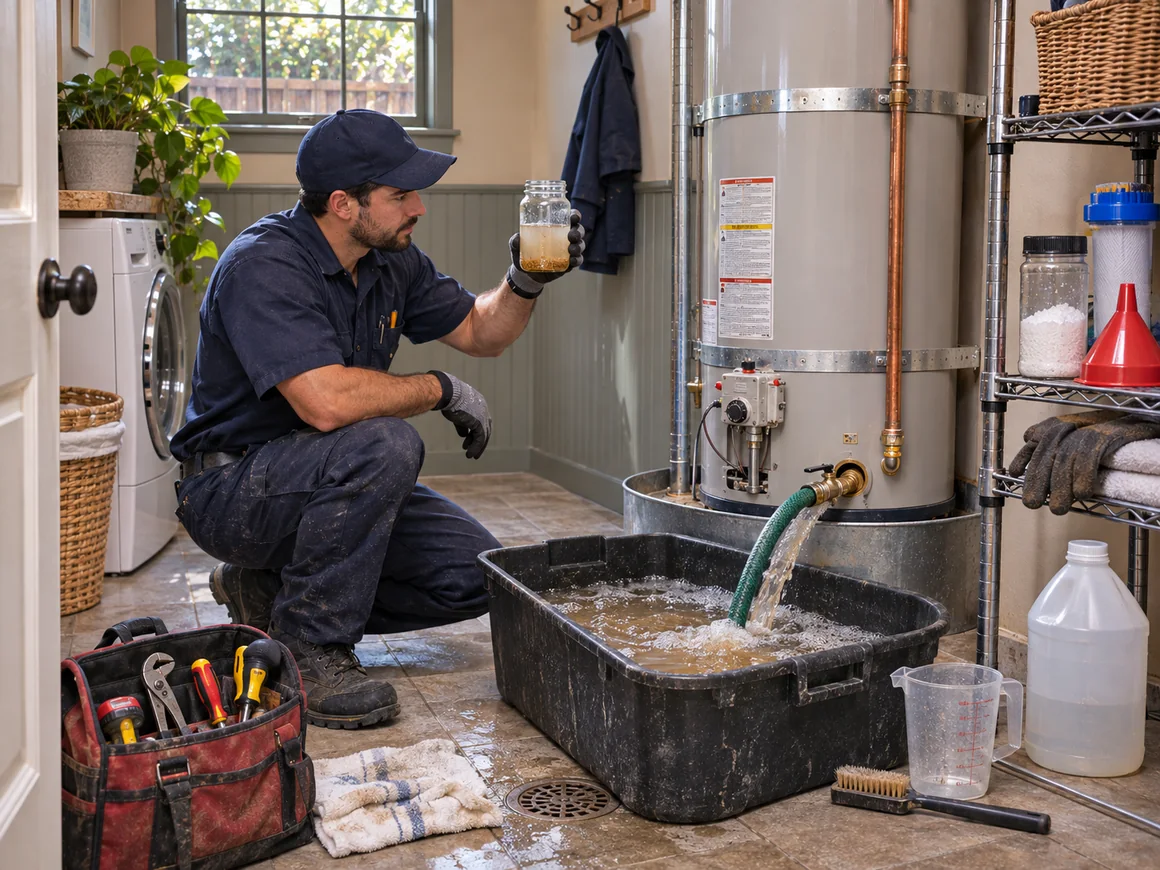
Technician working beside a residential storage-tank water heater during replacement service
Licensed Plumbing Professionals
Insured Service Professionals
Replacement Decision Guidance
Residential & Commercial

Signs You May Need to Replace Your Water Heater

A failing storage heater does not always stop working all at once. These signs help you describe the problem when you call; a professional still needs to identify what is actually wrong.

Water Leaking from the Tank Body

A confirmed hole or corrosion leak through a storage tank is generally not a repairable component problem. Water on the floor alone is not proof of tank failure: nearby valves, fittings and discharge piping must also be checked.

Aging Equipment and Repeated Breakdowns

Heater age matters alongside its maintenance history, tank condition and the nature of recent faults. A unit that keeps failing deserves a closer assessment, but reaching a particular birthday does not automatically mean replacement.

Rust-Colored Hot Water or Visible Corrosion

Rusty water can originate in the heater or in connected plumbing. Visible corrosion around the tank or fittings adds information, but the source and severity should be identified before deciding whether the entire heater must go.

Not Enough Hot Water for Current Needs

A household may outgrow its existing tank after adding bathrooms or changing usage. Poor heating performance can also mimic insufficient capacity. The assessment should distinguish a failed part from an equipment-sizing problem.

Rumbling Noises and Falling Performance

Rumbling or popping may relate to heating and sediment conditions. Some units benefit from maintenance, while others have broader wear or performance problems. Noise by itself does not establish that replacement is the only option.

Repeat Repairs or Rising Operating Burden

Repeated service visits, hard-to-find parts and a heater that still does not meet demand can make a new unit more sensible. Compare the likely repair scope with the full replacement proposal rather than relying on a fixed savings claim.

Seeing one or more of these symptoms?

Describe what changed and whether water is actively leaking.

Discuss Your Existing Heater

Should You Repair or Replace Your Water Heater?

The decision begins with a confirmed fault, not a rule that every heater past a certain age must be replaced.

When Repair May Make Sense

If a professional finds a failed heating element, thermostat, control, serviceable valve or accessible pipe connection, a targeted repair may restore the heater. The remaining condition of the tank matters.

When Replacement May Be Better

A tank shell leak, major corrosion, repeated serious failures or equipment that no longer fits actual hot-water needs may favor replacing the heater rather than repeatedly repairing components.

Equipment Age, Repair History and Total Cost

A relatively young tank with one repairable part may be a different case from a corroded heater with several recent failures. Ask what the repair will address, whether parts are available, and how that compares with the complete replacement cost and expected suitability of the new unit.

How to Compare Your Options

  • Identify the actual failed component or confirmed tank condition.
  • Compare the quoted repair with the full new-equipment and installation scope.
  • Check whether the proposed replacement will meet current hot-water demand.
  • Ask what connection changes, permits and disposal responsibilities are included.

For general hot-water symptoms, start with California water heater repair. If the source appears to be a serviceable valve or pipe connection, see water heater leak repair.

Not sure a new heater is necessary?

Call with the symptoms and what has already been diagnosed.

Discuss Repair or Replacement

Does a Leaking Water Heater Need to Be Replaced?

Not every puddle means the tank has failed. The key distinction is whether the leak comes from the storage vessel itself or a repairable connected part.

Tank Shell vs. Pipe or Valve Leak

Water below the heater can travel along a pipe or fitting before it collects on the floor. Inspecting the connection, temperature-and-pressure relief discharge and tank body helps identify what requires work.

When the Storage Tank Is Damaged

A corroded shell that is leaking is not normally corrected by replacing a valve or tightening a connection. Replacing the storage unit may be the practical response once the source has been confirmed.

Responding to Significant Leakage

Keep people clear of water around electrical devices. Do not handle wet switches or attempt unsafe gas or electrical work. If you suspect escaping gas, leave the area and call your gas utility or emergency services from a safe place.

A phone call cannot establish whether the tank shell or a nearby component is leaking. For valve, fitting and other leak concerns, see Water Heater Leak Repair.

Water Heater Replacement Options for California Properties

Replacing a failing heater gives you a chance to confirm whether the old equipment type and size still suit the property. These options do not all involve the same work.

Gas Storage Water Heater Replacement

A replacement gas heater needs a suitable fuel supply, combustion air, safe venting and the right hot-water output. Existing connections may look reusable but still require review against the selected unit and current requirements.

Electric Storage Water Heater Replacement

For electric storage units, equipment performance, circuit suitability, available clearance and existing plumbing matter. A new heater should not be selected solely because the old tank had the same stated gallon capacity.

Switching from Tank to Tankless

A tankless conversion may free floor space and change the hot-water delivery pattern, but it can also require different fuel, electric or venting arrangements. Detailed conversion advice belongs on our Tankless Water Heater Installation page.

Considering a Heat Pump Water Heater

A heat pump model is an equipment option worth comparing where the site, air volume, electrical supply and applicable code allow it. Ask whether that equipment is within the available project scope; we do not present heat-pump installation as a separately confirmed service.

A like-for-like tank replacement and a conversion to another technology can have very different permitting, connection and installation requirements. Confirm the selected system with the professional assessing the property.

How Do You Choose the Right Replacement Water Heater?

Choosing a replacement should start with what your household or building actually needs from its water heater, not simply ordering a copy of the old tank. A replacement hot water tank should match the household or building's peak demand and existing connections, not merely the gallon size of the old model.

Peak Hot-Water Use, Not Just Household Size

Consider overlapping showers, a laundry cycle, the dishwasher and other regular hot-water uses. The number of people alone does not describe the highest hour of demand for every property.

Tank Capacity and First-Hour Rating

A 40-gallon and a 50-gallon model may deliver different amounts of useful hot water because recovery performance also matters. Compare the first-hour rating and real-use needs, not just the printed tank size.

Fuel, Efficiency and Existing Connections

Review compatible gas or electrical service, equipment efficiency ratings and how the property uses hot water. Any long-term operating cost difference depends on energy prices, equipment and usage.

Space, Access and Clearances

The new tank must fit safely where it will be installed, with workable service access, suitable venting if applicable, drainage and required clearances. Measure access routes as well as the final location.

Helpful details before calling: Current heater model or label, gas or electric fuel type, approximate tank size, family or building hot-water usage, available installation space, city and ZIP code. Do not remove panels to collect this information.

For a new installation with no existing heater to remove, see Water Heater Installation in California. For tank replacement, we focus on the differences between your old setup and the new equipment.

What Does a Professional Check Before Water Heater Replacement?

The key preparation question is what must change between the existing heater and the proposed replacement. That review is different from planning a brand-new installation.

Assess the existing setup before selecting a replacement

Not every old connection, valve or mounting detail can automatically be reused. Identifying site constraints before removal helps clarify the written replacement scope.

  • Confirm the heater model and visible condition.
  • Identify connections, access and removal requirements.
  • Discuss permit responsibility and required code-related changes.
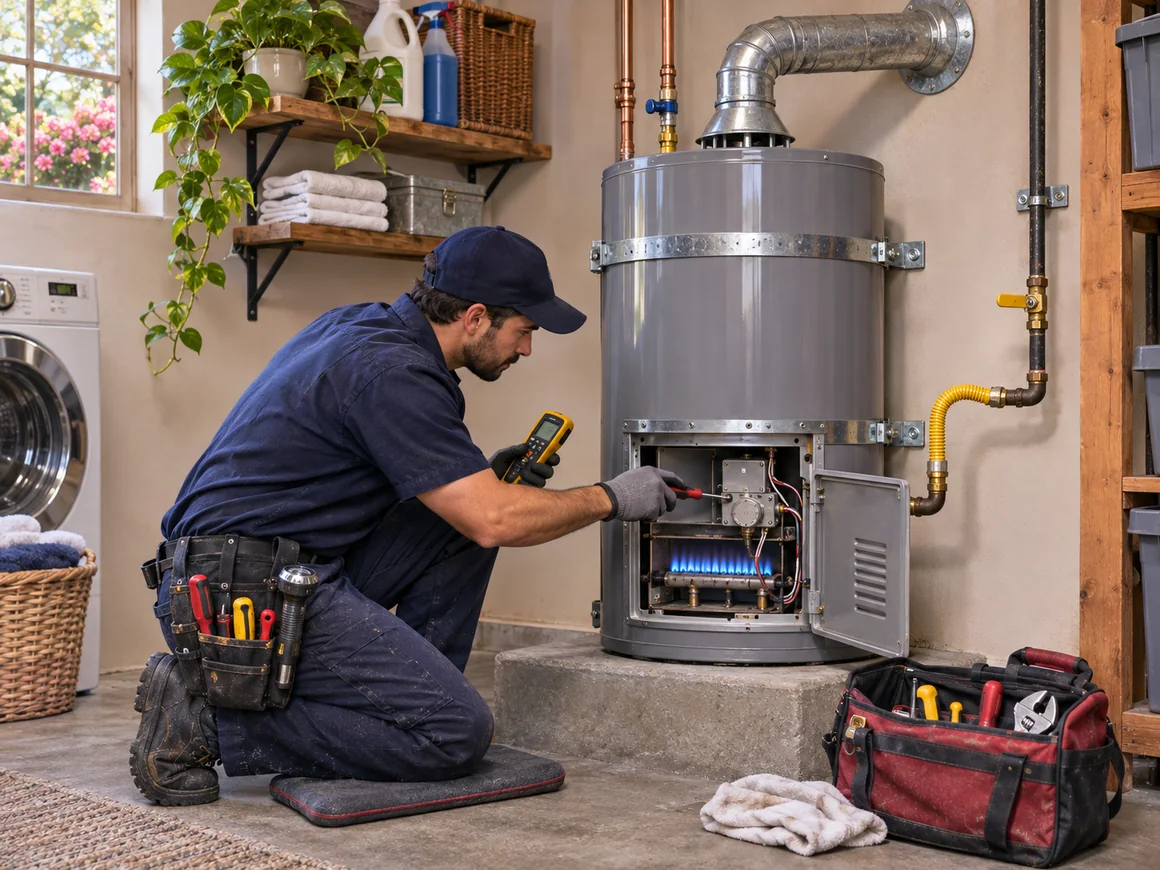
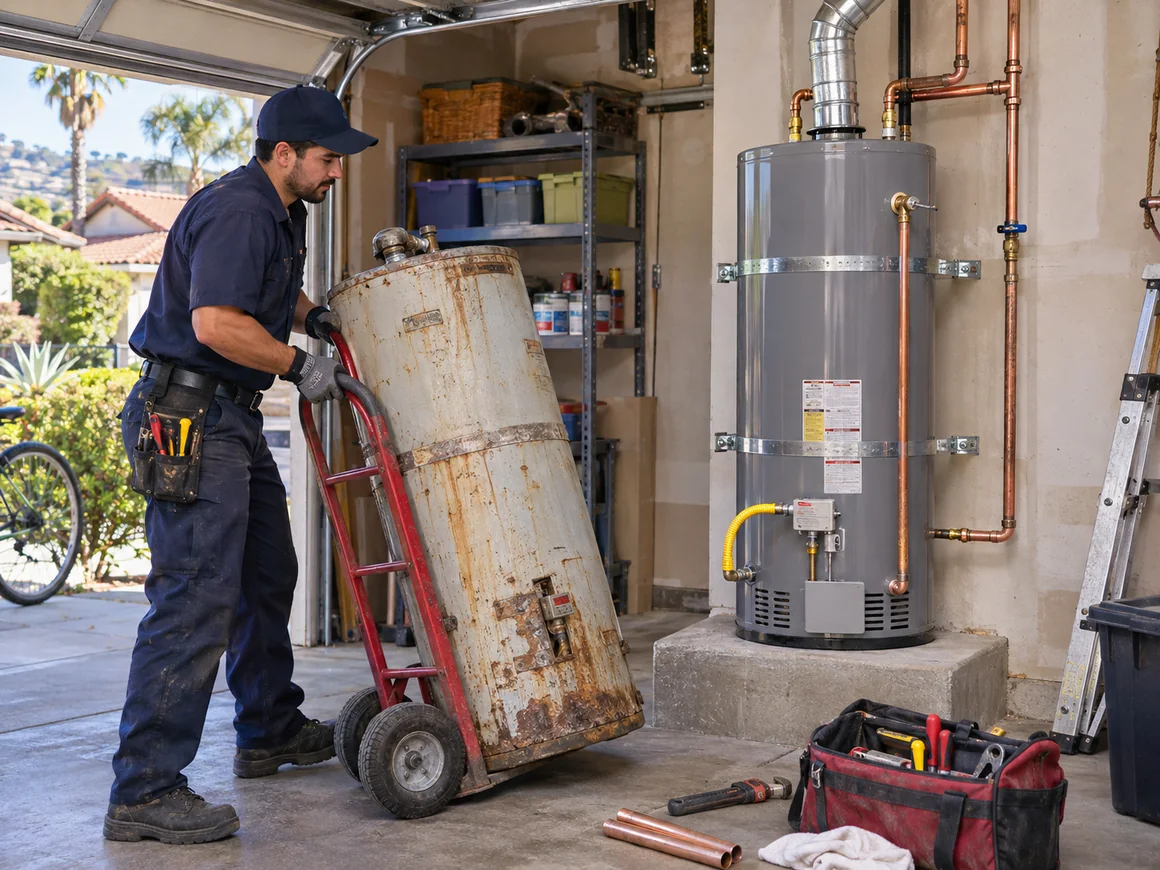
Technician examining an older storage water heater beside a newer unit in an indoor utility room

Existing Heater and Placement

A professional reviews the current unit, its fuel type, accessible piping and installation space to establish what must change. A failed heater does not prove all surrounding equipment needs replacement.

Water Supply, Valves and Pressure

Shutoff condition, accessible supply piping, water-pressure concerns and safe isolation affect the scope. Old valves or corroded connections may need attention independent of the new tank.

Gas Venting or Electrical Capacity

Gas storage replacements require safe combustion and venting arrangements; electric replacements require compatible circuits and controls. Any added work belongs in the actual proposal.

Relief Discharge, Drainage and Expansion

Temperature-and-pressure relief protection, discharge piping, drainage, system pressure and expansion provisions depend on the installation and applicable rules. They must be assessed, not copied from a generic checklist.

Access and Removal Logistics

A tightly fitted closet, stairs, heavy corrosion or a heater on an elevated platform may change how removal is handled. Confirm site protection, old-unit handling and disposal terms before authorizing the job.

California Water Heater Replacement Permits and Safety Requirements

Permit and code compliance are project-specific. A replacement of an existing unit can have different requirements from water heating in a newly constructed property.

Local Permit and Final Inspection

California requirements involve statewide codes and the city or county permitting authority. San José and Alameda publish water-heater permit instructions, but their application steps are not universal procedures for every California address.

Earthquake Restraints and Placement

Storage heaters require safe restraint against seismic movement under applicable rules. Exact installation details depend on equipment, applicable code and local requirements. Do not copy strap measurements without confirming the current jurisdiction.

Venting, Relief Protection and Piping

Fuel-fired equipment must use suitable combustion and venting arrangements. Relief valves, discharge routing, water piping and related components must comply with the actual system requirements and listed instructions.

2025 California Energy Code for Alterations

The 2025 California Energy Code took effect January 1, 2026. For single-family water-heater replacements and alterations, Section 150.2(b)1H permits specified system options, including natural gas or propane equipment, qualifying heat-pump models and consumer electric water heaters when replacing an existing electric-resistance unit. Requirements differ for new construction or additions. The replacement plan must account for the original equipment, applicable code pathway and local permit review.

Official information: California Energy Commission: 2025 Water Heater Alterations, San José water-heater permit guidance and Alameda water-heater permit requirements. Ask the local building department which rules apply to your address.

How Our Water Heater Replacement Process Works

A clear replacement job begins with an assessment of the current heater and ends with a checked installation and a scope you understand.

1. Tell Us About the Old Heater

Share the California city and ZIP, fuel type, visible symptoms, approximate heater age and whether there is active leaking. Photos of the outside of the unit can sometimes help describe the setup.

2. Assess the Unit and Replacement Scope

The professional checks the existing heater, verifies whether replacement is appropriate and identifies site conditions and safety requirements that affect the job.

3. Review Equipment and the Written Proposal

Confirm the proposed tank type and capacity, connections, any permit or code work, the quoted cost and whether removal or disposal will be part of the agreement.

4. Disconnect and Remove the Old Unit Where Included

Qualified personnel perform approved isolation and removal within the job scope. Whether haul-away, disposal or additional access work is included must be agreed before the project begins.

5. Install the Replacement and Check Operation

The professional completes the included connections, checks operation and explains controls. Required inspection and other authority approvals remain part of the applicable process.

What should be clear in a replacement quote? The specific equipment and capacity; labor and connection work; old-unit draining/removal; haul-away or disposal; permits and inspections; any code-related changes; expected scheduling; and items not included.
Ready to discuss replacing an old tank?

Call with the address and the existing equipment details.

Call About Replacement

What Affects Water Heater Replacement Costs in California?

A dependable replacement cost cannot be established from the state name or tank size alone. Ask for a scope that separates the equipment and work your property actually needs. Ask for the specific heater model, removal and disposal arrangements, any required connection changes and applicable permit work to be itemized in the proposed scope.

Type, Size and Efficiency

Equipment pricing varies by fuel, tank capacity, efficiency rating and selected model. Higher equipment cost does not tell you the total installed price without the rest of the scope.

Like-for-Like vs. System Change

Replacing a tank in the same location can be different from switching to tankless, changing the fuel source or relocating the heater. Additional connection work changes the estimate.

Old-Unit Removal and Site Access

Limited access, weight, draining requirements, stairs or disposal arrangements can affect labor. Ask explicitly whether removal and hauling away the old heater are included.

Plumbing, Electrical, Venting and Code Work

Valves, piping, venting, wiring, safety devices, permits and inspection requirements may add legitimate work depending on conditions at the site.

Scheduling and Urgent Needs

If hot water has stopped unexpectedly, discuss available scheduling and equipment before assuming a particular arrival time. Urgent work and delivery constraints can affect the proposed total.

Before authorizing replacement, confirm the proposed unit, labor, permit responsibilities, connection changes and any old-heater removal or disposal charges. Ask for the complete scope and applicable costs in writing.

How Long Does It Take to Replace a Water Heater?

There is no reliable universal replacement time. Access, equipment choice, code work and local approvals determine the sequence.

Same-Location Tank Replacement

When the proposed tank suits the existing space, access and connections, a straightforward replacement may be simpler than a major system change. The condition of the old setup still matters.

Changing Fuel, Size or Heater Location

Moving equipment or changing energy source can require new electrical, gas, venting, piping or approval work. Permit and inspection scheduling can add time beyond the physical installation.

Unexpected Heater Failure

If the unit has failed suddenly, report the symptoms and location so the team can discuss practical scheduling and equipment options. Do not assume immediate service or a 24-hour response unless explicitly confirmed.

For significant leakage, keep clear of unsafe conditions. If you suspect gas escape or carbon monoxide, leave the building and contact the appropriate emergency service from a safe location.

Why Choose Water Heater Repair CA for Water Heater Replacement?

The best replacement decision begins with the heater you already have, your property and a clear explanation of what comes next. When comparing water heater replacement companies, prioritize a clear repair-versus-replace explanation, equipment sizing, verified professional qualifications and insurance.

Licensed Plumbing Professionals

Licensed plumbing professionals evaluate the old heater and the scope of relevant plumbing work before discussing replacement.

Insured Service Professionals

Our work is presented through insured service professionals. Confirm the qualifications and applicable scope for your property.

Gas and Electric Tank Experience

Gas and electric storage heaters have different supply, heating and safety components. The replacement discussion reflects that difference.

Site and Equipment Compatibility Reviewed

Capacity, access, plumbing connections, venting and electrical conditions are considered before a replacement choice is proposed.

Repair-versus-Replacement Explained

When a targeted repair may still be sensible, the service discussion should recognize that rather than treating every symptom as a sales pitch for a new unit.

Residential and Commercial Requests

Homeowners and commercial property contacts can describe their water-heating needs. Equipment capability and actual address coverage are confirmed individually.

Water Heater Replacement Service Areas Across California

Water heater replacement is available in covered California communities. Call with your city, ZIP code and details of the existing heater to confirm service at your address.

Select a featured California community to review local water-heater information. Tell us where the heater is located and whether it is leaking, has lost heat or has already been shut off so we can discuss the next step.

View All 190 California Locations

Use your actual street address and ZIP code when asking about availability.

Water Heater Replacement FAQs

These answers cover the most useful replacement decisions before you call. Details can change with the equipment, local requirements and the agreed scope.

How do I know if my water heater needs replacing?

A confirmed tank-shell leak, extensive corrosion, repeated major failures or equipment that no longer meets your hot-water needs can support replacement. Age or one symptom alone is not enough. Have the heater and fault assessed before choosing a new unit.

Can a leaking water heater tank be repaired?

An external valve, fitting or pipe leak may be repairable. If water is escaping through a corroded storage-tank shell, replacement is usually the practical option. A puddle beneath the heater does not identify the source, so inspection matters.

Should I repair or replace an older water heater?

Compare the actual fault, repair scope, tank condition, prior service history, compatible part availability and the complete replacement proposal. Some older heaters remain repairable; others have enough damage or recurring expense to make replacement more sensible.

How much does water heater replacement cost in California?

The total depends on the chosen heater, its capacity and fuel type, access to the old unit, required connection changes, permits, inspection requirements and whether removal or disposal is included. Ask for an itemized scope instead of assuming a single California-wide price.

Does replacing a water heater require a permit in California?

A permit is commonly required for water-heater replacement, but application details and inspections depend on the local building authority and job. San José and Alameda publish local rules; your city or county should confirm the process for the specific property.

Can I replace a gas water heater with an electric model?

It may be possible, but changing fuel type can require electrical capacity, circuit, equipment-location and code review. California energy requirements also depend on the alteration scenario. Do not assume that every gas-to-electric replacement is a simple equipment swap.

Should I replace a 40-gallon heater with a 50-gallon model?

Not automatically. Look at peak hot-water demand, first-hour rating, recovery performance, physical space and the available fuel or electrical service. A new model with a different capacity may or may not solve the problem you experienced with the old tank.

What is included in professional water heater replacement?

The proposal should specify the heater, the labor and connections, any needed code-related work, permits and inspection responsibilities, operational checks and exclusions. Confirm whether old-heater draining, removal, haul-away and disposal are included before agreeing to the job.

Will the old water heater be removed and disposed of?

That depends on the agreed service scope. Do not assume haul-away or disposal is included just because the work is called replacement. Ask for those items to be stated in the quote and clarify any added charges.

How long does replacing a water heater usually take?

Timing depends on access, equipment and connections, the old-unit condition, any fuel or location changes, and local approval steps. A same-location replacement can differ substantially from a conversion. Scheduling should be confirmed for the actual property. A same-day appointment or assessment does not by itself establish that the entire replacement can be completed that day.
Discuss Water Heater Replacement in California

If your water heater is failing, leaking or no longer meeting your needs, tell us about the old equipment and your California location.

Call About Water Heater Replacement

Tell us whether your existing heater leaks, fails to heat, keeps breaking down or cannot meet current demand. Give your California city and ZIP code so our team can discuss service availability and the likely next step.

(800) 370-2296

Phone calls help clarify the existing equipment and the problem. The proposed heater, any old-unit removal, permit responsibilities and scheduling must be confirmed for your specific job.

  • Gas and electric storage heater replacement requests
  • Repair-versus-replacement discussions
  • Residential and commercial property inquiries

Find Your California City

Call for Water Heater Replacement

Online forms are currently unavailable. Booking is handled by phone. Call us to discuss your water heater problem and arrange service.
Call (800) 370-2296 to Book

No online request will be sent and no personal information is collected through this section. Read our Privacy Policy.

Call (800) 370-2296