Water Near Wires or Electrical Covers
Water beneath the heater, close to wiring or at an access panel can create an electric-shock hazard. Keep clear of the wet area and avoid touching the heater or nearby outlets.
No hot water, slow recovery or an electric water heater that keeps shutting down? A failed heating element, thermostat, safety limit or power-supply problem can produce similar symptoms. Water Heater Repair CA provides electric water heater diagnosis and repairs for homes and businesses in covered California communities, using licensed plumbing professionals and insured service professionals. We check the cause before recommending a repair or replacement. Ask about same-day electric water heater repair appointments for your address; scheduling depends on current availability and the work needed.
Licensed plumbing professionals · Insured service professionals · Electric heater fault diagnosis
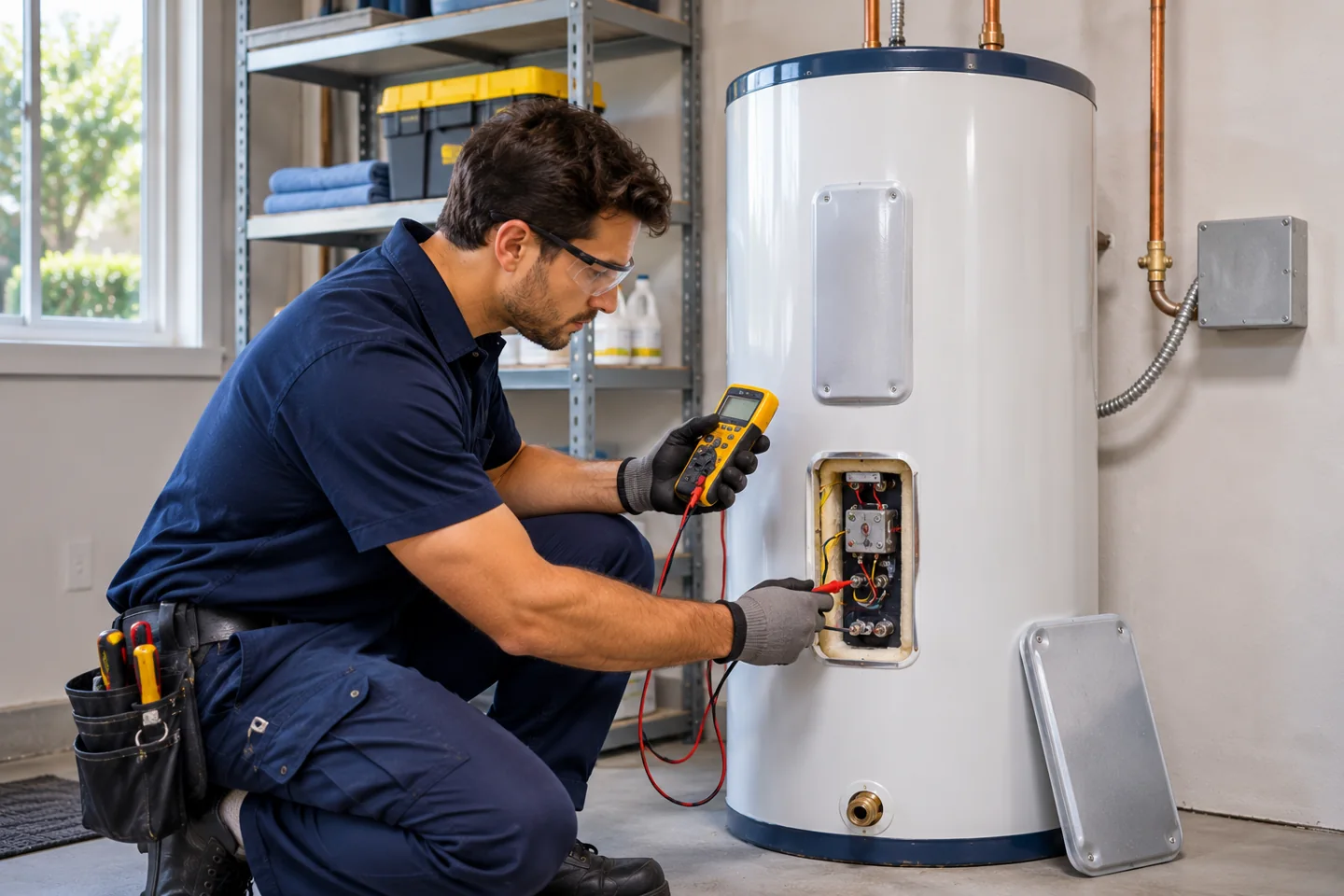
Electrical faults and water do not mix. Safety comes before determining why the heater stopped working.
Water beneath the heater, close to wiring or at an access panel can create an electric-shock hazard. Keep clear of the wet area and avoid touching the heater or nearby outlets.
A breaker that trips again, scorched connections, sparks or a burning odor requires professional evaluation. Do not repeatedly reset the circuit to keep the heater operating.
Excessively hot water can indicate a thermostat or control problem and cause serious burns. Stop using the affected fixture and arrange qualified inspection.
Keep people away. Switch off the dedicated water-heater breaker only if it is safely accessible from a dry location. Do not open access panels, handle wet wiring or attempt live electrical tests. For smoke, fire or immediate danger, leave the area and call emergency services.
These symptoms help narrow the inspection. A replacement part should not be chosen until the fault is confirmed. An electric hot water heater that warms only part of its tank may have a different problem from a unit that receives no usable power, so the symptoms should be described separately.
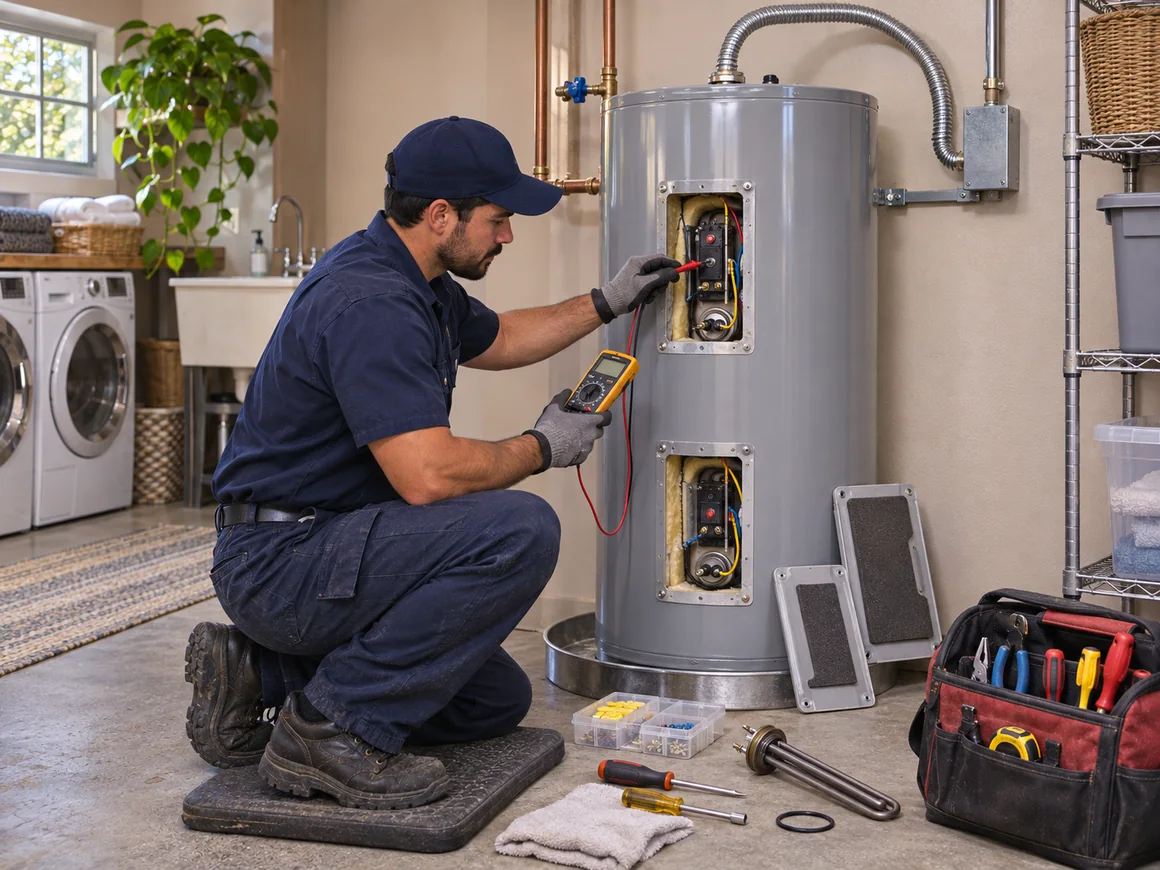
An upper heating element, upper thermostat, high-limit cutoff or interrupted electrical supply may be involved. The symptom alone cannot identify the part.
A working upper element with a failed lower element, improper temperature control or a mixing problem can reduce usable hot water.
The tank may take unusually long to reheat between showers. Heating-element operation, supply voltage and hot-water demand all matter.
An overcurrent condition, wiring defect or heater component fault needs safe evaluation. Do not increase breaker size or bypass protection.
Drips may be from fittings, a valve, a heating-element gasket, a nearby pipe or the tank body. Identify the true source first.
Sediment around heated surfaces can cause sound, while an electrical crackle or burning smell warrants immediate attention.
Water becoming unexpectedly hot or cold may involve thermostats, the upper/lower control sequence or demand that exceeds capacity.
Tell us whether the entire building has no hot water or only certain fixtures. That distinction helps separate a heater issue from a plumbing or mixing problem.
Electric heater diagnosis starts with the type of equipment and the specific symptom. Component repair and electrical supply work are not interchangeable.
Many storage heaters have two heating elements with different roles during the heating cycle. An upper-element fault can leave the tank completely cold; a lower-element fault may reduce available hot water or recovery. Testing must follow the heater model and de-energized electrical procedures.
Upper/lower thermostats regulate heating on conventional dual-element tanks. An energy cut-off or high-limit trip can indicate abnormal conditions. Resetting it without finding the cause can leave a safety problem unresolved.
A loose connection, damaged wiring or interrupted supply can resemble an internal heater failure. Where diagnosis involves house wiring, the panel or a dedicated branch circuit, appropriately qualified electrical professionals may be needed.
A water heater that heats but runs out quickly may have a lower-element problem, low temperature setting, mixed supply, high fixture demand or other water-side condition. Diagnostic checks separate capacity issues from repairable faults.
Our electric repair service focuses on conventional electric storage water heaters with element, thermostat and electrical-control faults. Electric tankless and heat-pump/hybrid units require different diagnostics; share the make and model so service availability can be confirmed.
A protective device may stop the heater because something else has failed. If the breaker trips more than once or the temperature limit opens repeatedly, the cause requires professional assessment. Never replace a breaker with a higher-rated one to stop nuisance trips.
Share the heater brand, approximate age, whether the indicator is on, when the trouble started and whether hot water is absent or just limited. Only read a model label if safely accessible without opening a cover.
Water around an electric heater may be a plumbing fault, a serviceable gasket or a failed storage tank. It should not be assumed to be an electrical failure.
A loose or deteriorated water connection can drip onto the heater. The water source and proximity to electrical parts affect the safe next step.
A storage-tank heating element has a sealing gasket. On some models a worn gasket can leak, but the element area must be evaluated by a qualified professional with power isolated.
A drain valve or temperature-pressure relief discharge can put water around the heater. Persistent relief-valve discharge may indicate temperature or pressure concerns, not just a bad valve.
A corroded or split tank shell is generally not a practical component repair. After the leak source is confirmed, replacement is usually the appropriate path.
If water is near wiring or an electrical panel, keep clear. For a full leak-source assessment, see Water Heater Leak Repair.
We recommend diagnosis first, a clear repair scope second and replacement only when the equipment condition warrants it.
Describe cold or lukewarm water, slow recovery, any breaker trip and your California city or ZIP. Include heater make or model when safely known.
Qualified service professionals assess observable conditions and isolate hazards before appropriate checks. Water near live electrical components changes the safe approach.
Findings identify whether the issue is an element, thermostat, limit device, supply problem, leak or tank condition, and whether electrical trade work is needed.
After the work and parts are agreed, repair is performed where conditions, compatible parts and the applicable scope allow. The customer is informed if replacement is the better option.
After applicable work, the heater is checked for correct behavior and visible leak concerns, with findings and further recommendations explained.
Need to describe a fault? Give us the heater type, service city and what happened before the hot water stopped.
Call (800) 370-2296The right answer depends on the confirmed fault and condition of the entire heater, not one symptom.
For a sound storage tank, a confirmed faulty heating element, thermostat, limit device or compatible connection can often be addressed without replacing the whole heater. Parts availability, age and the condition of surrounding components influence the decision.
A leaking tank shell, extensive corrosion, repeated failures, unsuitable capacity or a repair approaching the value of a dependable replacement can change the economics. If the tank is failing, changing an element will not solve the structural problem.
A tripped breaker or no-hot-water complaint does not automatically mean the heater must be replaced. First establish whether the actual problem is in the appliance, power supply, plumbing or controls.
Compare Water Heater Replacement options when the equipment is near the end of its useful service life.
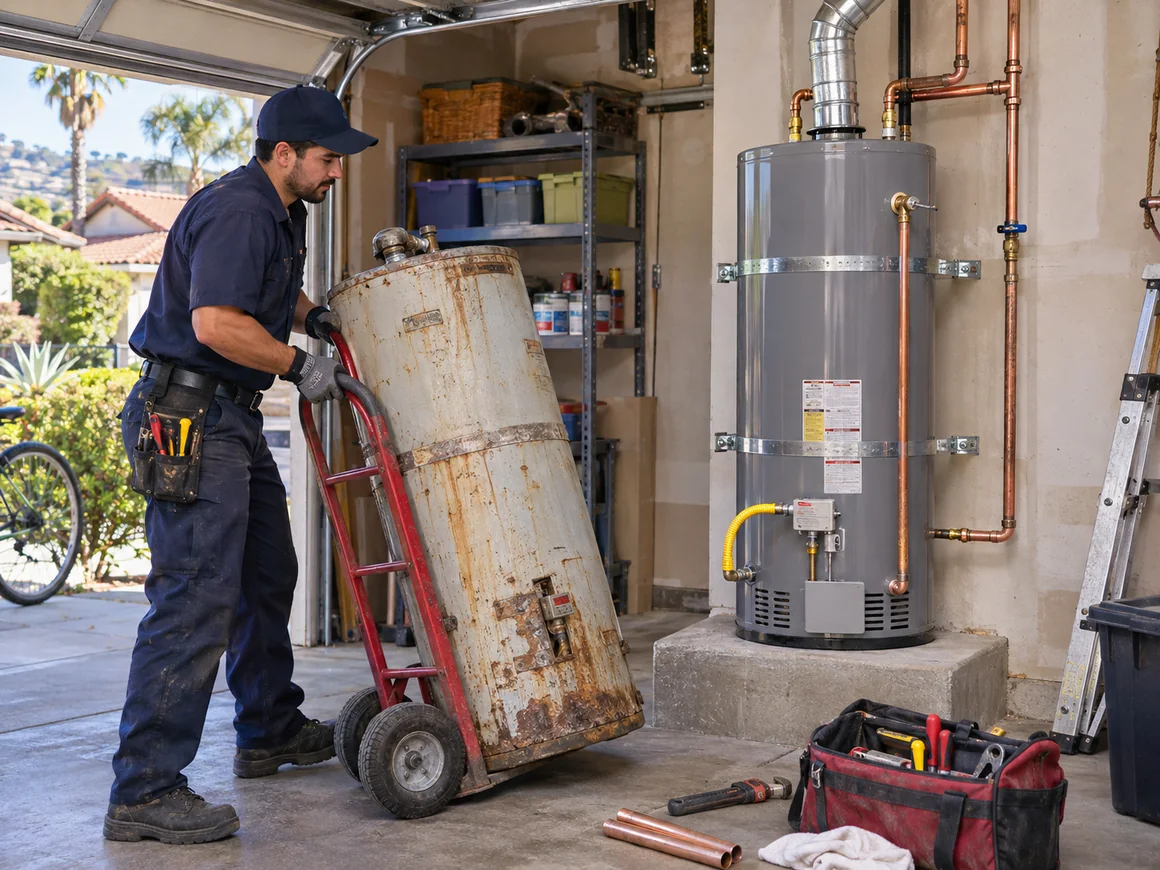
Electric water-heater repair costs depend on the failed component, compatible parts, safe access and any additional work identified during diagnosis. The scope and charges should be explained before repairs begin. Ask whether the quoted scope includes diagnosis at the heater itself or any separate electrical-supply work, because those can involve different requirements.
Element or thermostat service differs from locating an intermittent electrical failure or a complex tank leak.
Brand, wattage, model design, matching components and availability can change labor and material needs.
A heater in a tight closet, raised platform or difficult utility space may take more work to inspect safely.
Travel conditions, service availability and work hours vary by location. An inspection is needed before specifying a price.
Faults in circuit wiring, panels, leak-damaged areas or unrelated plumbing may require an additional qualified trade and a separate scope.
Ask which diagnostic work, replacement part, separate electrical work and follow-up checks are included in any proposed service scope.
Preventive care can support routine operation, but it should not be confused with fixing an active electrical fault.
For suitable storage models, manufacturer-recommended flushing can reduce sediment buildup that affects heating surfaces. Visual checks for corrosion, valve drips and dampness around connections can reveal conditions worth investigating before a failure becomes more disruptive.
Electric water heater maintenance is model-dependent. A heat-pump model may also have air filters, condensate components and electronic controls that a conventional resistance tank does not. Follow the appliance manual rather than applying the same schedule or process to every heater.
Maintenance cannot restore a burned-out element, correct unsafe wiring or seal a leaking tank shell. Those require diagnosis and appropriate repair or replacement.
Water Heater Maintenance & FlushingRequirements depend on the jurisdiction, the equipment and whether the job is a repair, replacement or electrical alteration.
California CSLB describes C-36 plumbing work as covering installation, maintenance and replacement of water-heating equipment. Work on a panel, branch circuit or other separate electrical system may require a properly classified electrical contractor.
A basic component repair and a whole-water-heater replacement are not necessarily treated the same under the building and energy codes. Requirements change with the actual work performed.
Permit obligations can differ between California cities, counties and equipment changes. Confirm the current requirements with the local building department before work that triggers a permit.
Compatible parts, protective devices, electrical supply specifications and safe access matter. Work must follow the listed product instructions and applicable rules.
Helpful public references: CSLB C-36 plumbing classification and California Energy Commission water-heater alteration guidance. These explain general requirements, not the permit decision for an individual property.
You should receive a service explanation built around the specific heater and its fault, not a generic assumption about what failed. When choosing an electric water heater technician, look for relevant qualifications, insurance and an explanation of whether the fault is in the heater, its controls or the electrical supply.
Relevant water-heater and plumbing work is handled by licensed plumbing professionals, with the equipment and service scope checked before work.
We work with insured service professionals and discuss the service scope before proceeding.
We distinguish element and thermostat faults from power-supply, water-side and capacity problems rather than guessing from symptoms.
Breaker trips, water near wiring and overheating are treated as safety signals. We do not advise bypassing limits or working on live equipment.
The decision considers tank condition, confirmed faults, compatible parts and whether repairing the unit is sensible.
Experienced water-heater technicians cover residential and appropriate commercial water-heating needs, with availability verified for each request.
We provide electric water heater repair services in covered California communities. Choose a city homepage to review local coverage, then call with your heater type and symptoms to confirm service availability.
These answers help identify what a complaint might mean. They are not a substitute for a safe diagnosis of your particular heater.
Common possibilities include no power to the heater, a tripped high-temperature limit, a failed upper element or a thermostat problem. A qualified assessment distinguishes the actual cause.
Yes. On some dual-element storage tanks, the upper element can heat part of the water while a failed lower element limits usable hot water and recovery. The element must be tested before replacement.
Circuit faults, wiring damage, moisture, internal components or an overloaded circuit can be involved. Do not repeatedly reset the breaker or alter its rating; arrange qualified electrical evaluation. Repeated tripping is a safety concern; do not repeatedly reset a breaker or attempt work inside energized equipment.
Some diagnosed thermostat failures can be addressed by replacing the correct model-compatible control. A thermostat should not be replaced based only on a temperature complaint.
A high-temperature cutoff is a protective device. It may be responding to a thermostat, element or other abnormal condition. Repeated tripping needs a professional diagnosis rather than continued resets.
Element arrangements vary by tank design, size and model. The product label and manufacturer documentation can identify the configuration without opening electrical access covers.
Slow recovery can result from a failed element, power-supply issue, sediment, unusually high demand or a heater that is undersized for current usage.
A leak from an element gasket may be serviceable on some tanks. A tank-shell leak generally requires replacement. Water near electrical components should be treated as a safety concern.
Not automatically. If the tank is sound and the part is compatible, a component repair may be sensible. Severe corrosion, repeated failures or a leaking tank can shift the choice toward replacement.
Cost depends on diagnosis, the failed part, heater model, site access and any separate electrical or plumbing work. A specific quote requires evaluation of the equipment.
Not all repairs have identical permit requirements. Replacement, rewiring and alterations may trigger local building or energy-code rules. Check the city or county building department for the work proposed.
These units have different diagnostic and service requirements than standard electric storage tanks. Describe the brand and equipment type so capability and service coverage can be confirmed before scheduling.
Explore related water-heater services for installations, leaks, tankless systems, gas equipment, maintenance and replacement.
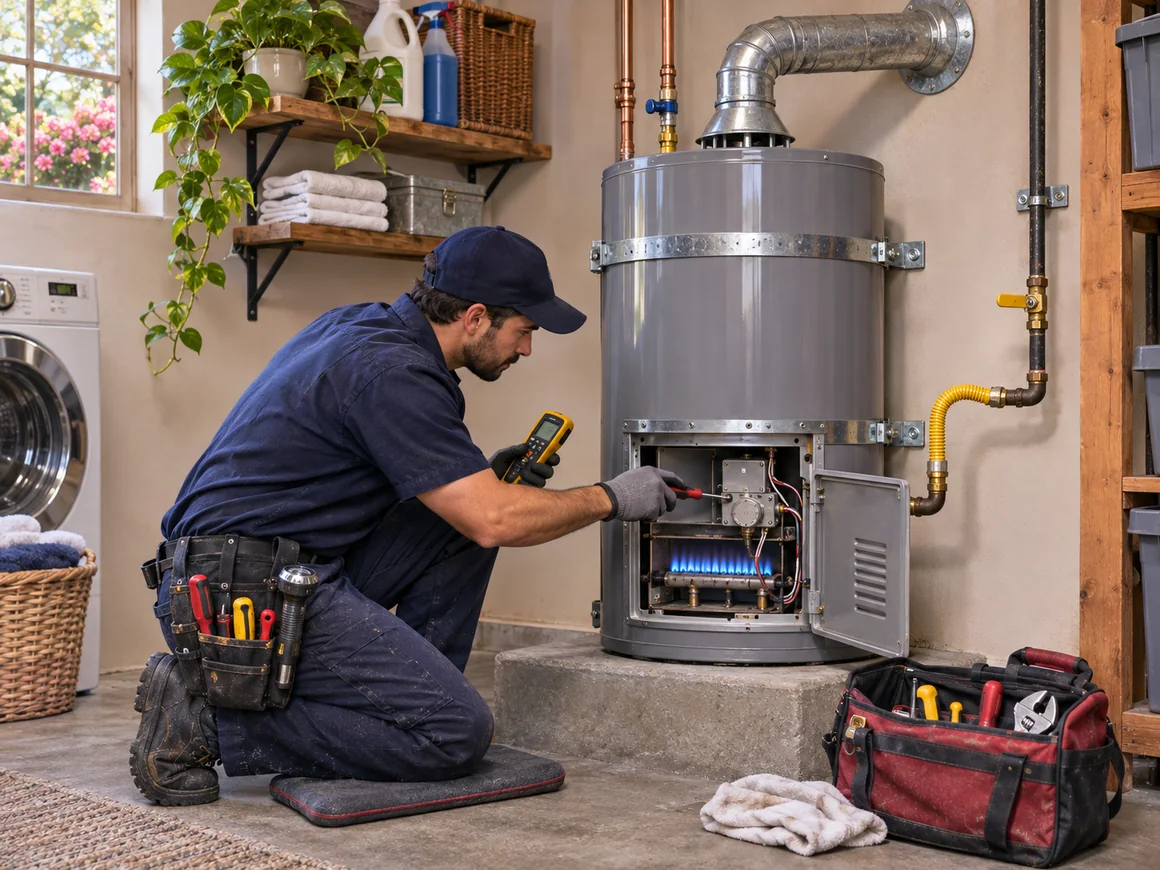
Pilot, ignition, burner, gas-control and combustion-related diagnostics.
Learn About This Service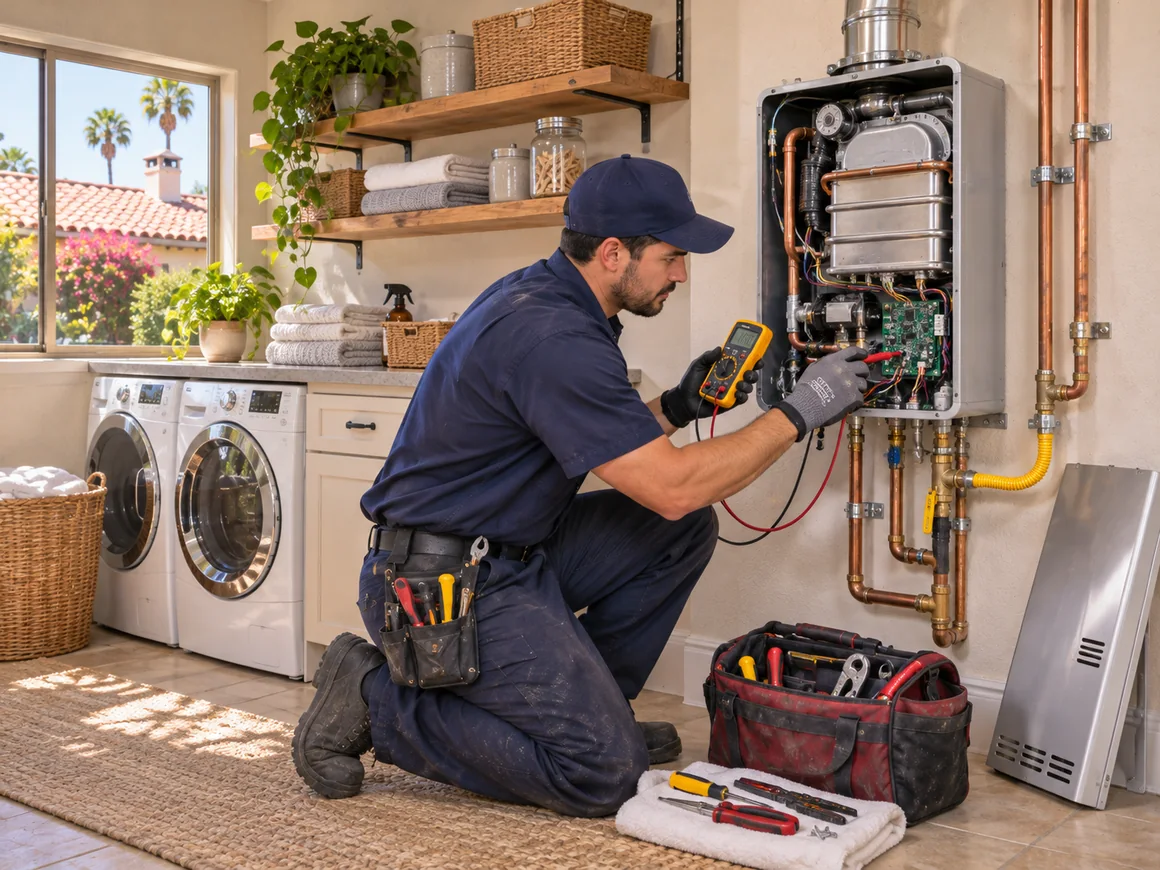
Flow, ignition, error-code and hot-water problems on on-demand equipment.
Learn About This Service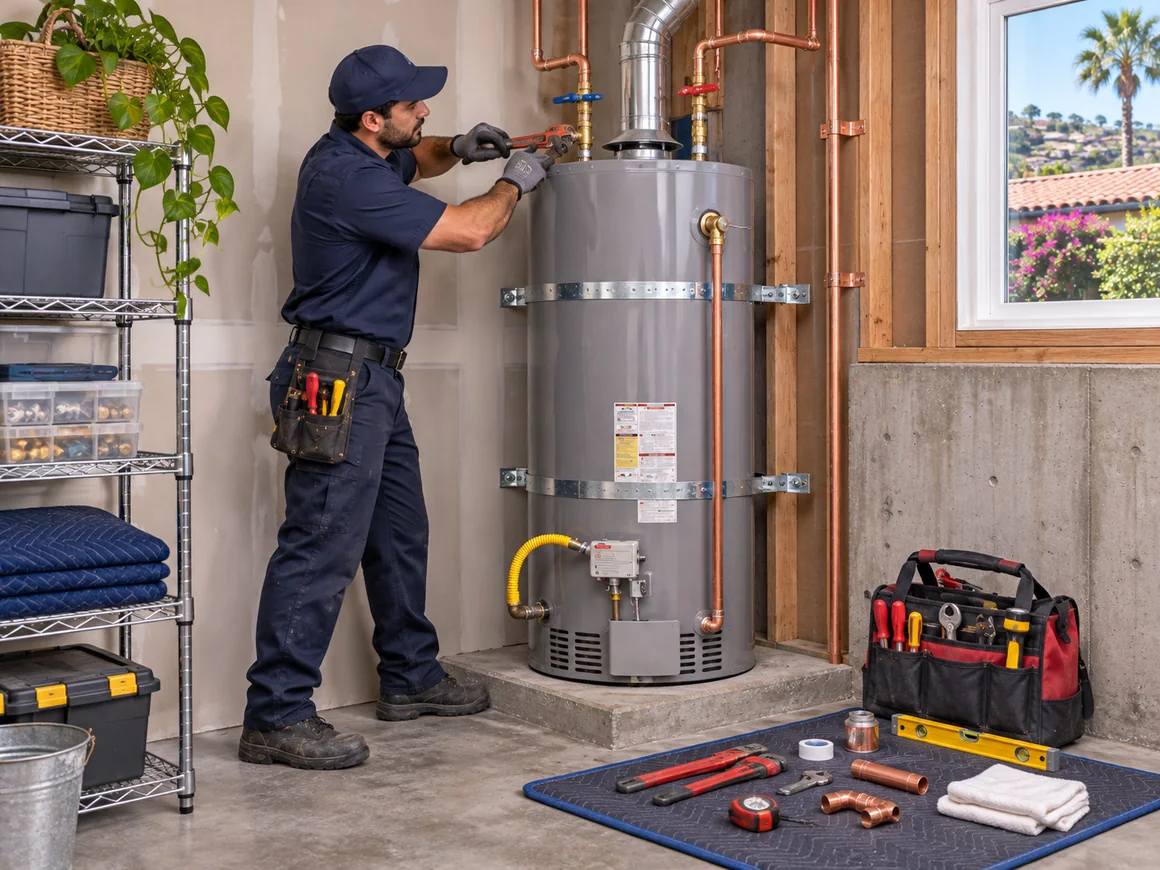
New storage-type water heater installations, sizing and preparation.
Learn About This Service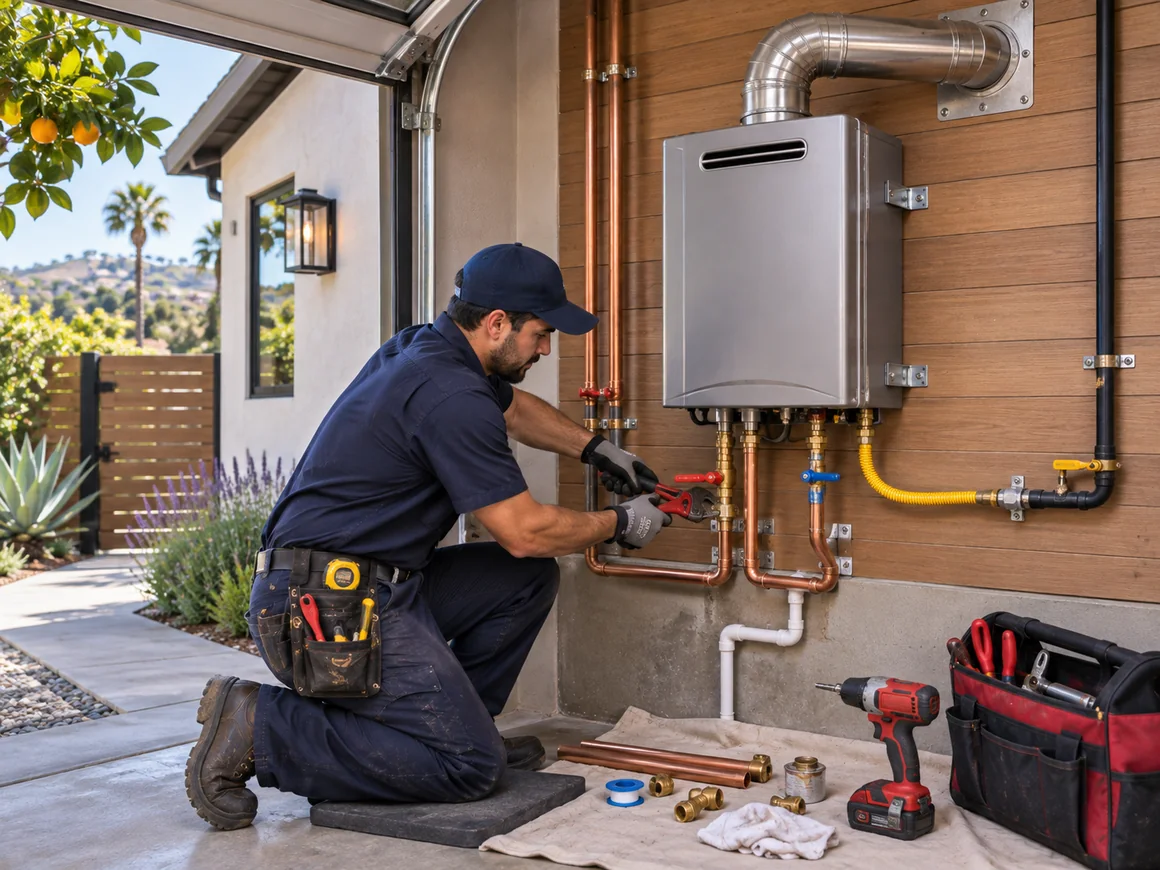
Tankless equipment installs and appropriate tank-to-tankless conversions.
Learn About This ServiceReplacement options when an existing tank fails or reaches the end of service.
Learn About This Service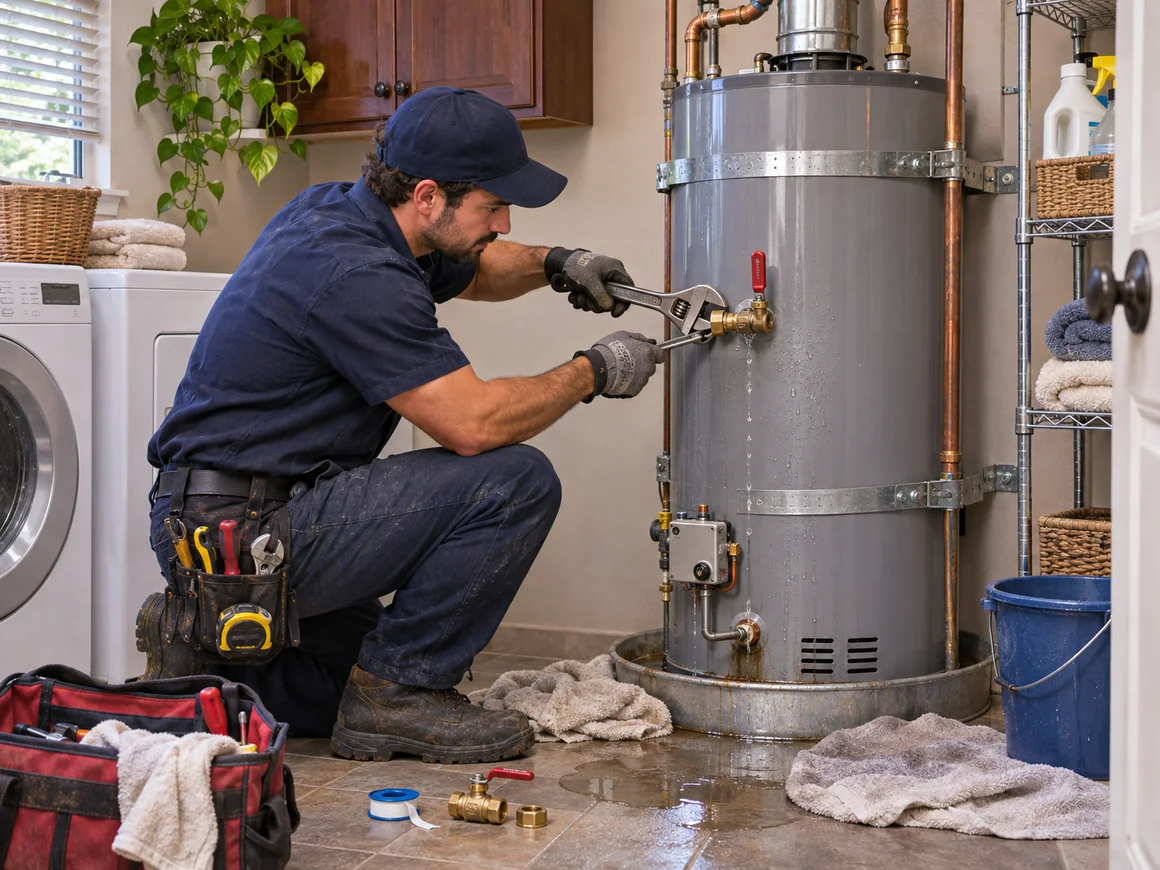
Locate leaks at fittings, valves, tank bodies and related plumbing.
Learn About This Service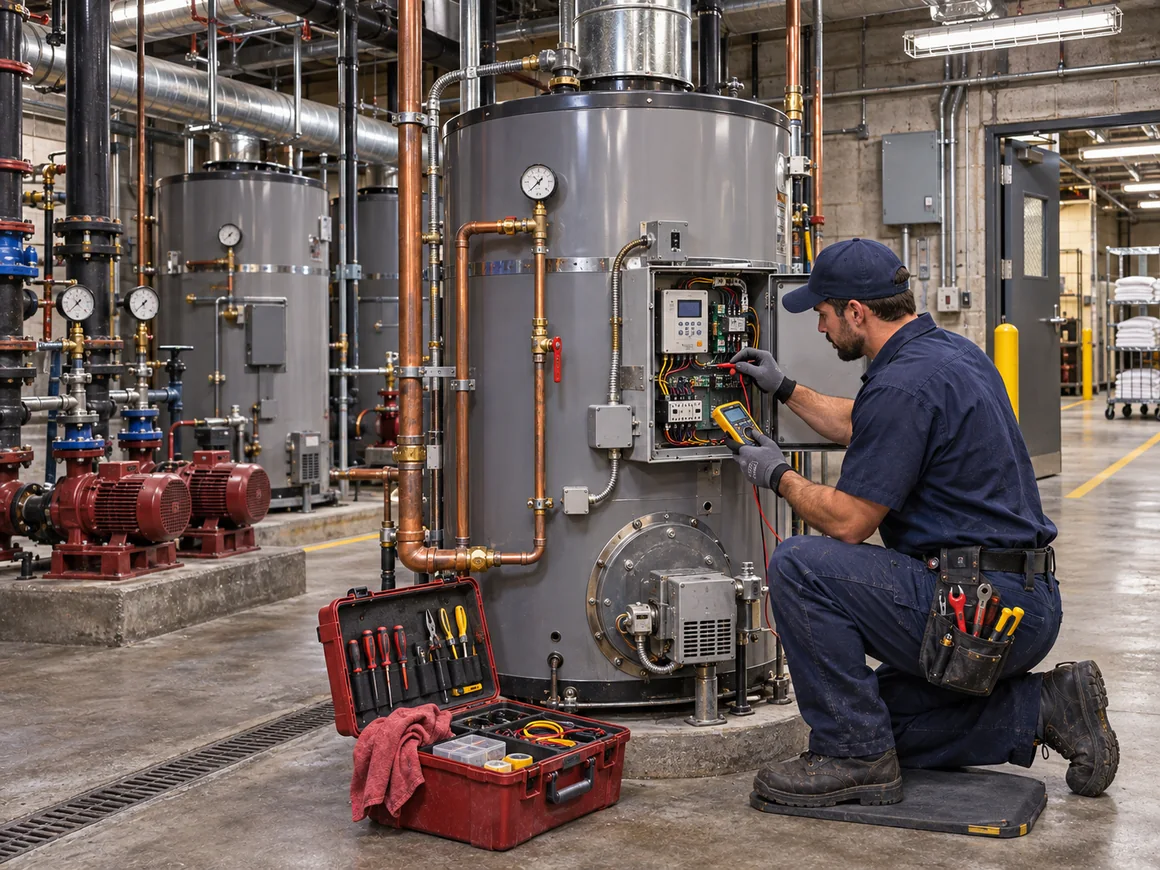
Business hot-water equipment problems and building-level demand issues.
Learn About This Service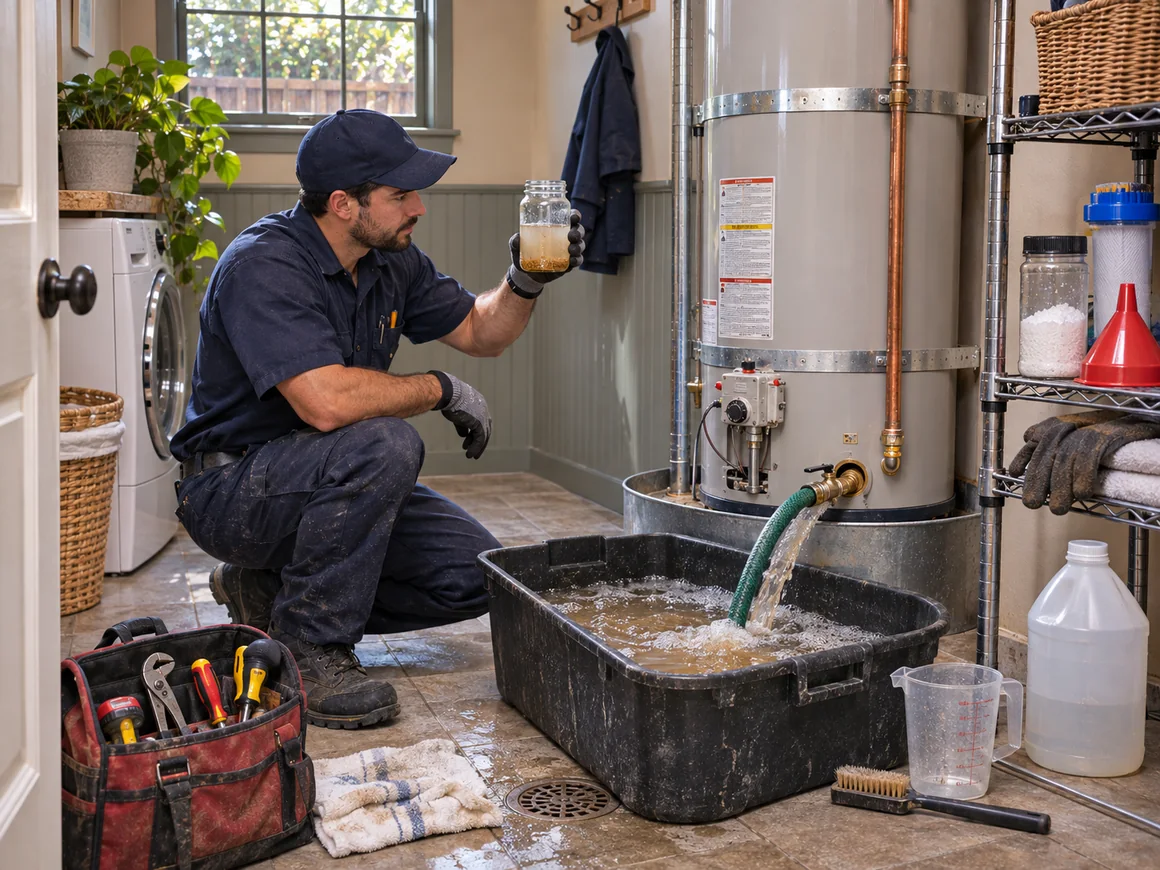
Routine sediment removal and maintenance for suitable heater models.
Learn About This ServiceFor non-emergency service, call with your water heater symptoms and city. We can discuss coverage and repair suitability during your call.
Tell us if water is cold or just lukewarm, when the problem began, your California service city and whether a breaker or high-temperature limit has tripped. We will discuss the next practical step based on the equipment and situation.
(800) 370-2296Avoid the affected heater and electrical equipment. Use the dedicated breaker only if it is safely accessible from a dry location. Call emergency services for immediate danger; a service request form is not an emergency response channel.