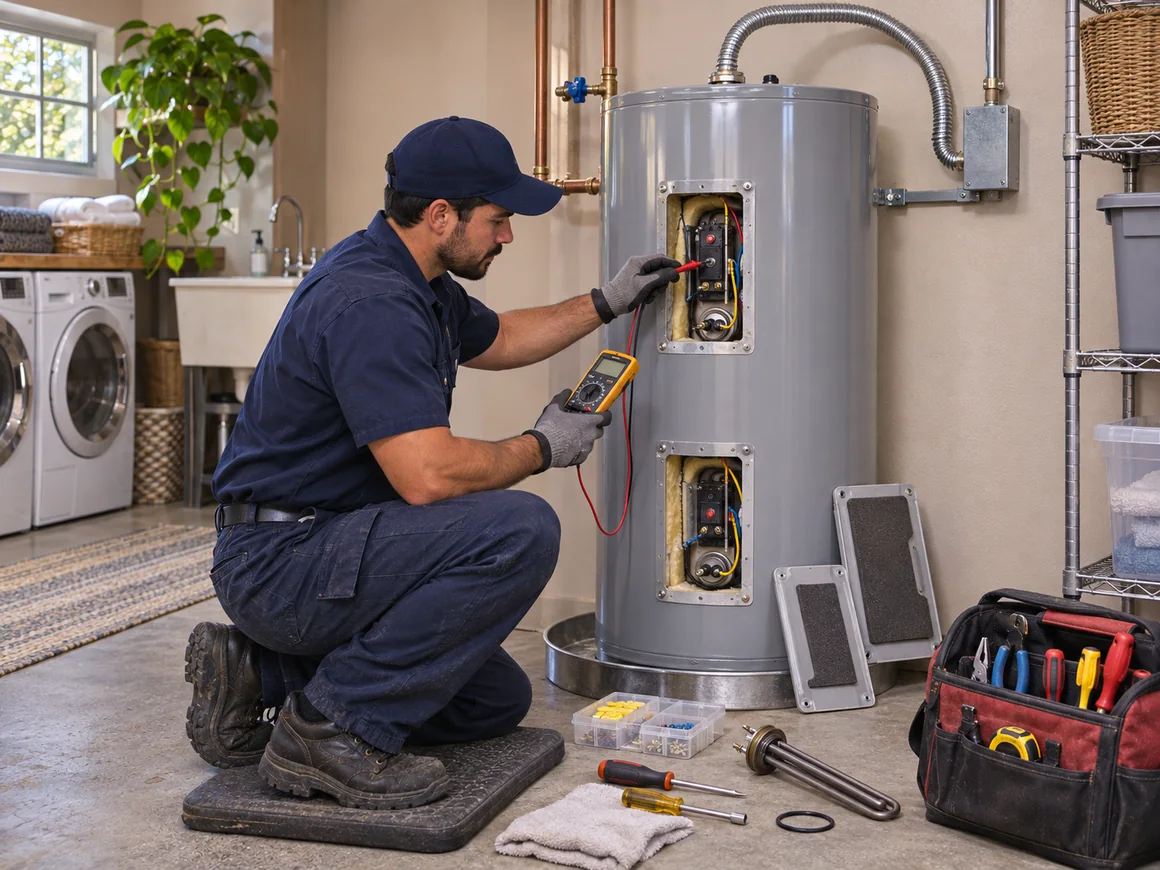
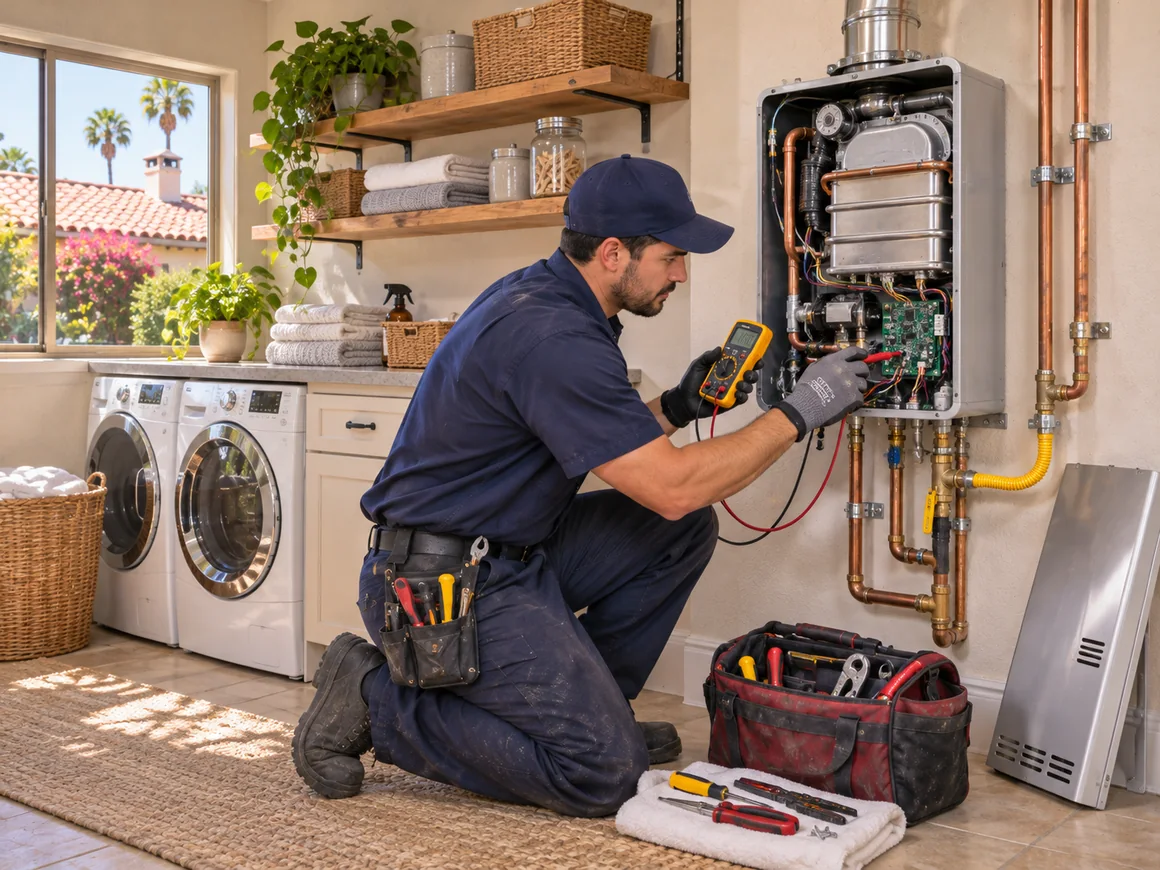
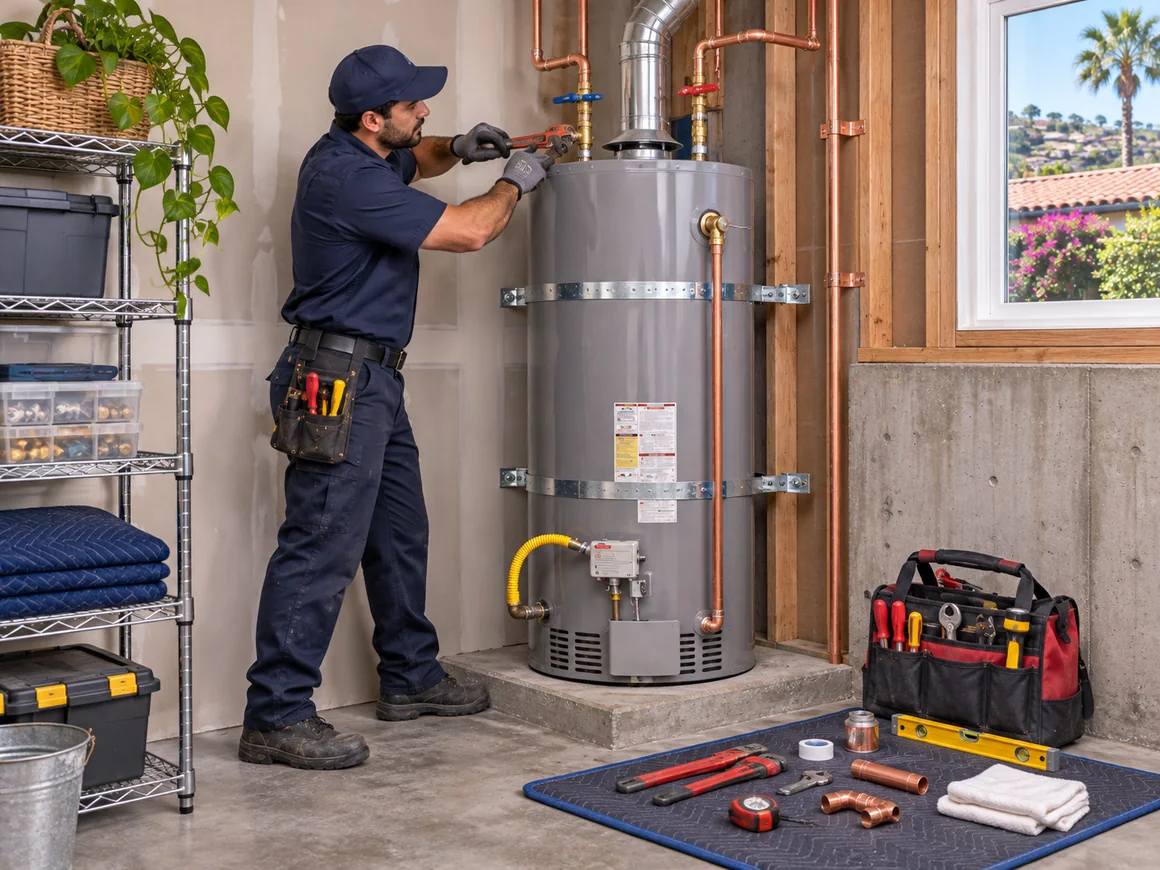
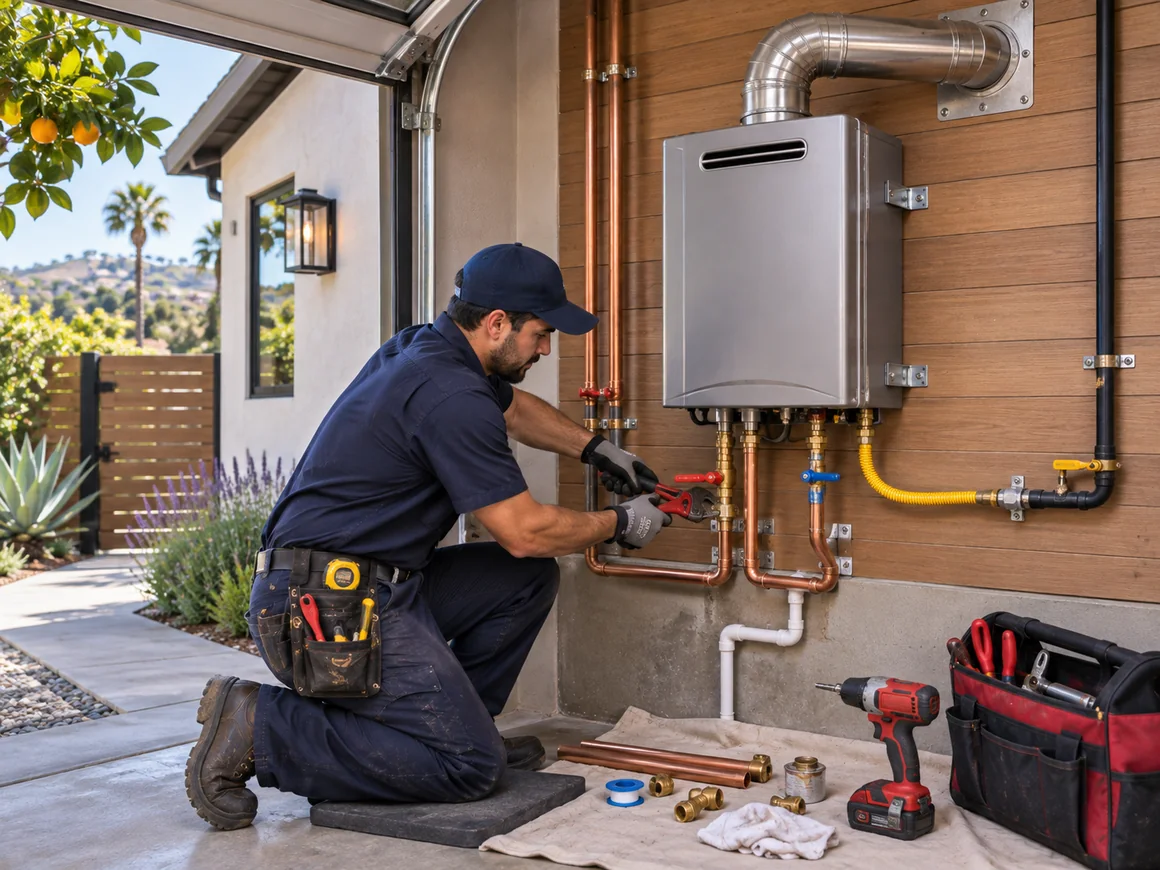
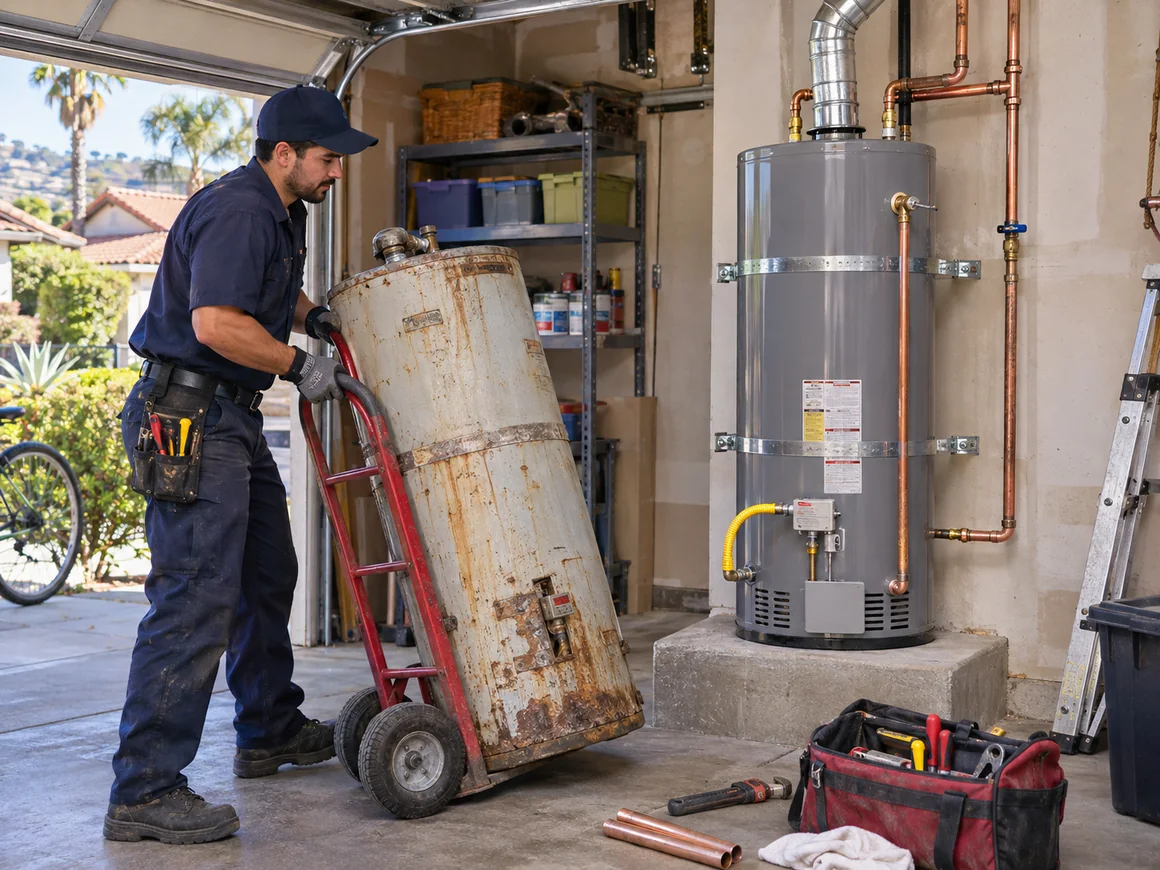
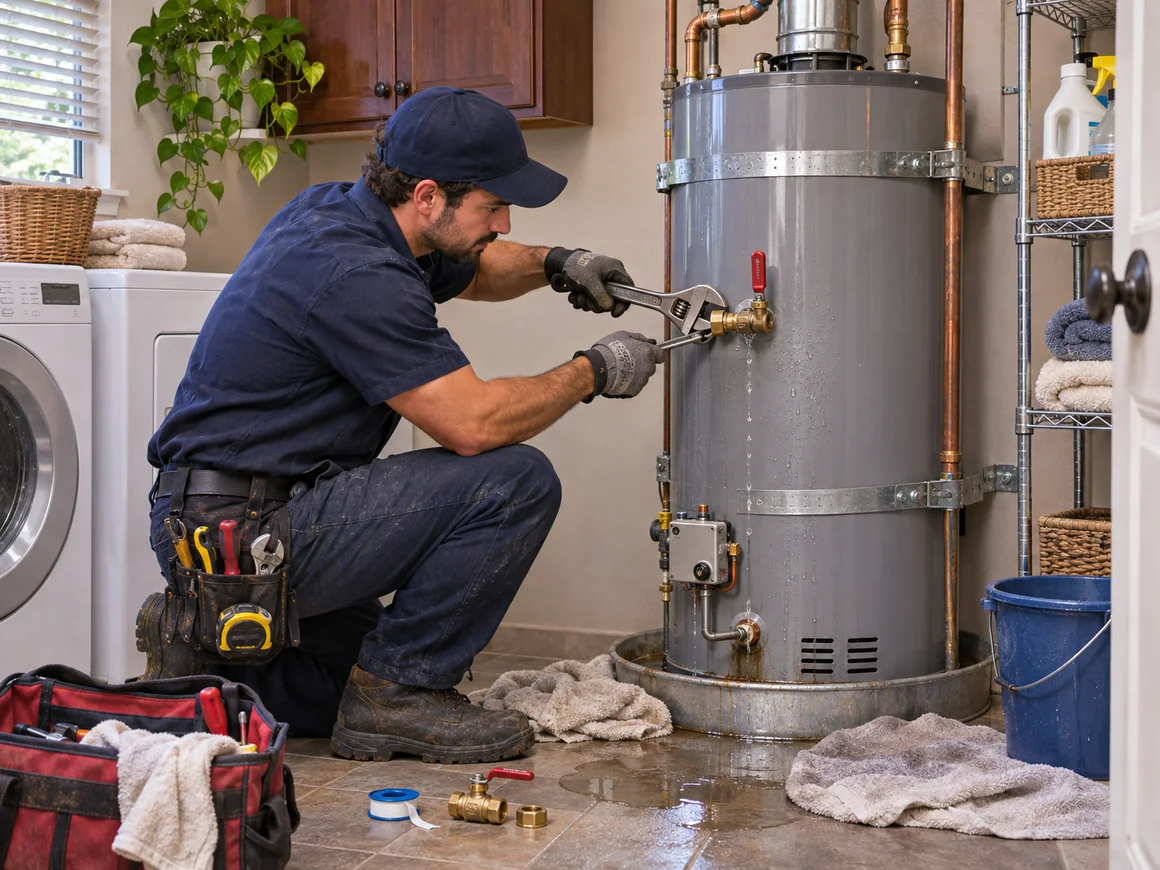
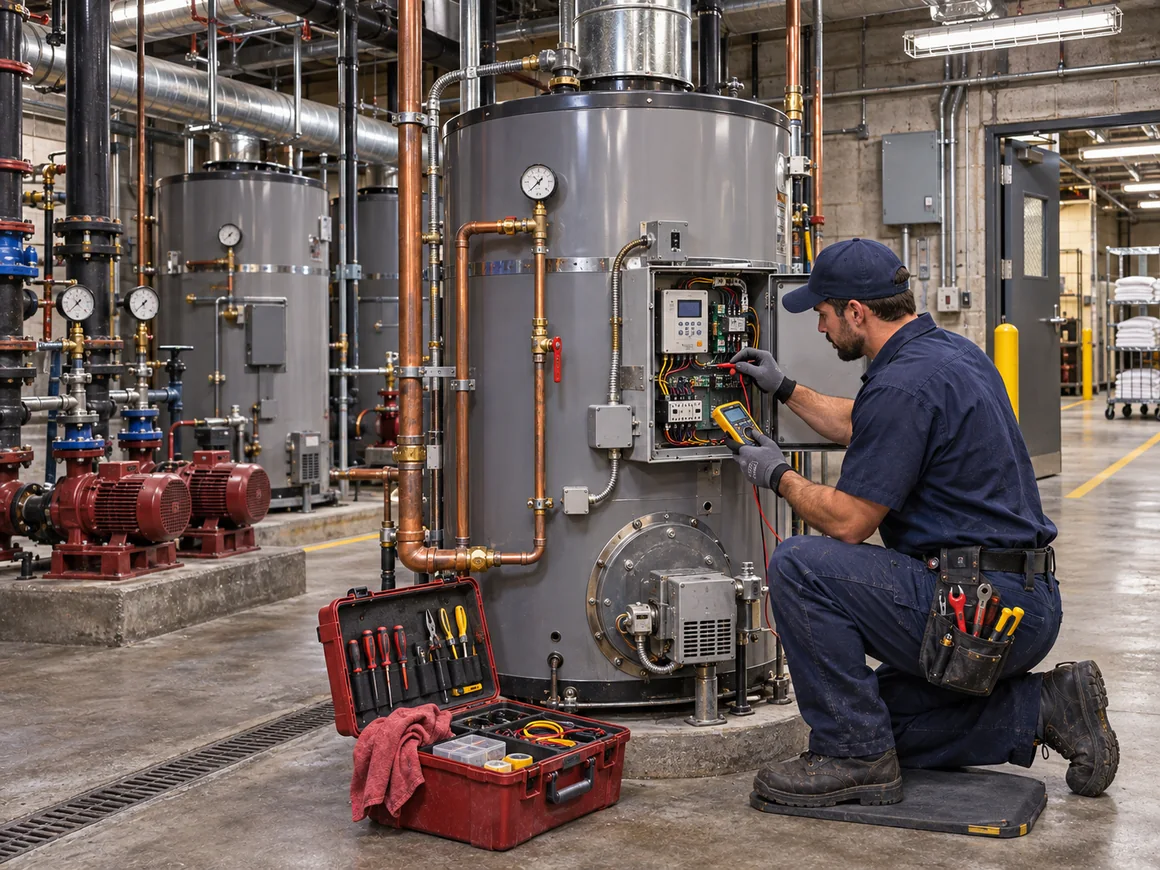
Water heater maintenance helps you address sediment, mineral buildup and visible wear before a small concern becomes a larger problem. Water Heater Repair CA handles requests for storage-tank flushing, equipment checks and tankless descaling where appropriate. Our licensed plumbing professionals and insured service professionals assess the heater and explain which service fits its condition, model and maintenance history. Same-day maintenance appointments may be available for some covered addresses; confirm the heater type and current schedule before planning the visit.
Call with your city, ZIP code, heater type and when the unit was last serviced, if known.
Licensed Plumbing Professionals
Insured Service Professionals
Tank Flushing & Tankless Care
Residential & Commercial
Signs Your Water Heater May Need Maintenance
A maintenance visit makes sense when sediment or mineral buildup is plausible, the service history is unclear, or you want the equipment checked. These signs are prompts for inspection, not remote diagnoses.
Popping or Rumbling Sounds from a Storage Tank
A layer of sediment can contribute to popping or rumbling as the heater runs. Noise also has other possible sources. Mention whether the sound is new, becoming louder or accompanied by changing hot-water performance; noise alone does not prove that flushing is the answer.
Slower Hot-Water Recovery or Reduced Performance
When water takes longer to reheat, sediment may be one factor. Heavy usage, a mis-sized heater or a failed heating component can produce similar symptoms. A maintenance assessment should identify whether flushing is relevant or a repair diagnosis is needed.
Mineral Deposits or Tankless Performance Changes
Scale in a tankless heat exchanger and debris at an inlet screen can affect flow or performance on some models. A drop in temperature or a displayed fault may instead signal another issue. Give the model number and any error code when calling.
Skipped Maintenance or Unknown Service History
If you recently moved into a property or cannot remember the last service visit, start with the equipment label, visible condition and maintenance history. A heavily neglected or corroded tank should be assessed before someone attempts an aggressive flush.
Early Leaks, Corrosion or Unusual Discharge
Staining around a connection, a dripping drain valve or new moisture near the tank warrants attention. These signs may indicate a repair rather than routine maintenance. A tank-shell leak in particular is not corrected by flushing; see water heater leak repair.
Not sure if the heater needs a flush?
Tell our team what changed and whether the unit is leaking or failing to heat.
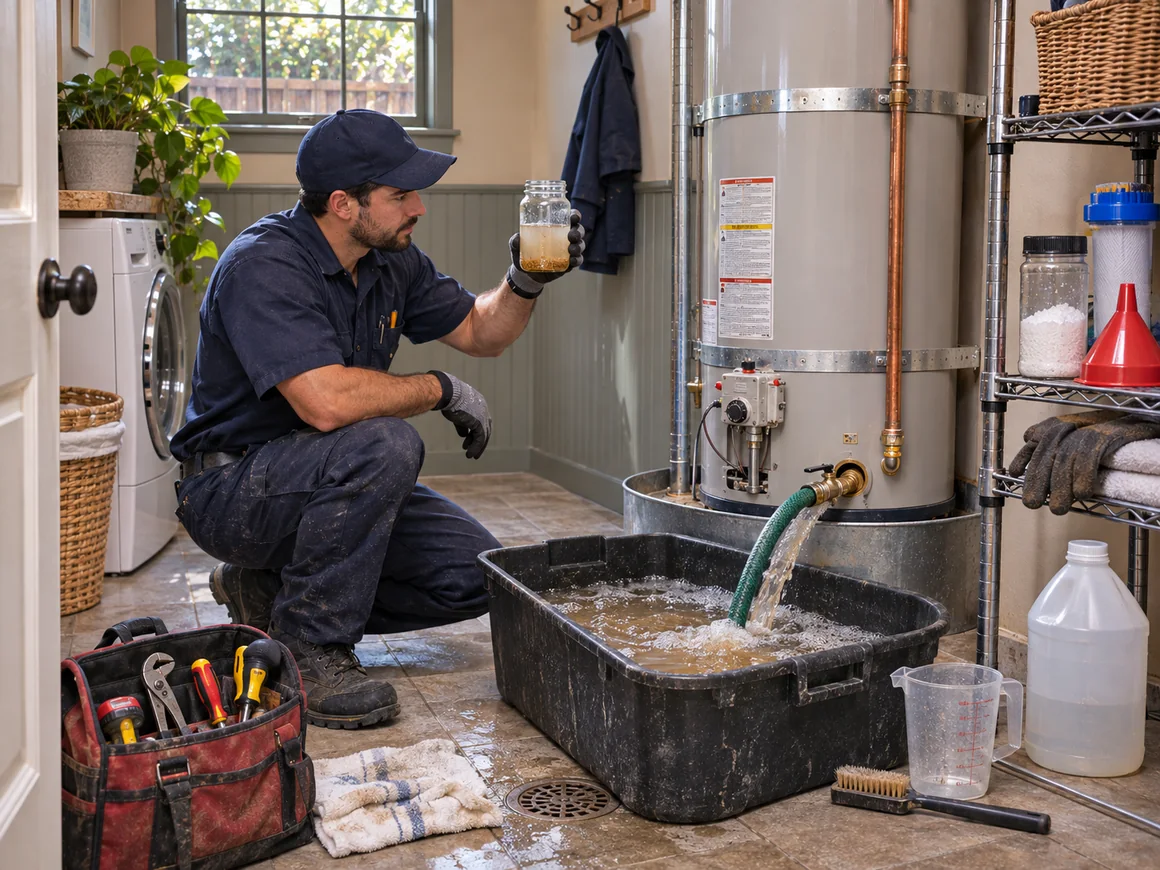
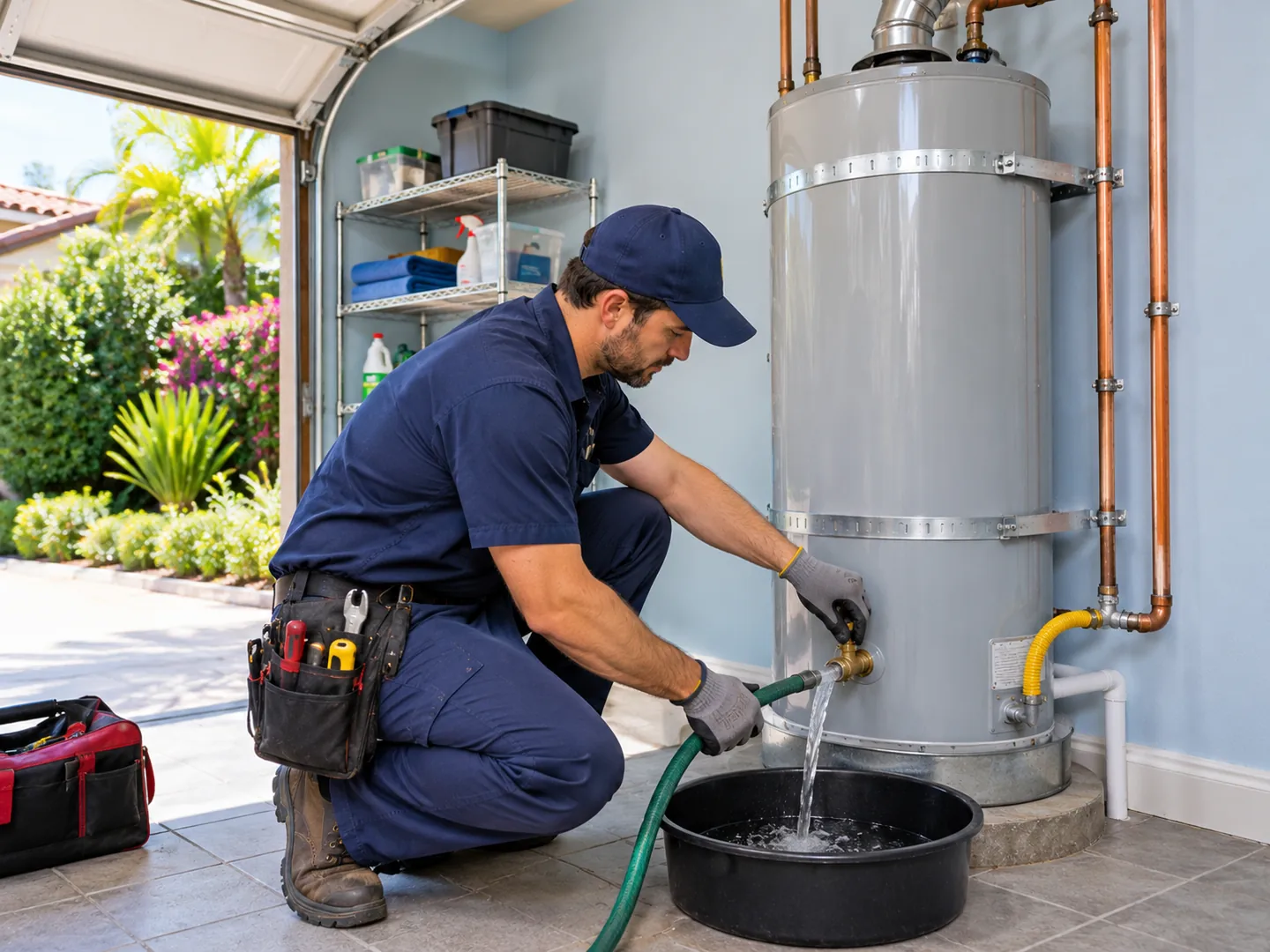
Storage-tank flushing and tankless descaling are not interchangeable. A tank flush is meant to move settled material out through the tank drain, when the condition of the heater makes that appropriate.
How Sediment Builds Up Inside a Storage Tank
Small particles and dissolved minerals in supply water can settle or precipitate as water heats. The amount varies with water source, water treatment, operating conditions and usage. Not every California home has the same water hardness.
Why Buildup Can Affect Performance
Deposits can contribute to rumbling, interfere with heat transfer on some designs and complicate draining. Reduced performance has other causes too. A technician should consider the heater design and actual condition instead of assuming every symptom is sediment-related.
How a Tank Flush Is Evaluated
Before using the drain valve, the professional may check for leaks or corrosion, inspect accessible connections, review the manufacturer instructions and evaluate the condition of the valve and nearby drainage. Old, heavily corroded or previously untouched units deserve added caution.
What Flushing Cannot Repair
Flushing may remove loose material from the bottom of a storage tank. It cannot seal a leaking steel tank, replace a failed electric element, correct a faulty thermostat or repair a defective gas control. Those issues need their own diagnosis.
A. O. Smith advises following the maintenance instructions for the specific model. If a drain is blocked, a valve appears compromised or there is active leakage, the safer next step may be a separate repair evaluation rather than forcing a flush.
Tankless Water Heater Descaling and Maintenance
A tankless water heater can need maintenance even though it does not have a storage tank. Mineral-scale management and model-specific filter checks are different from flushing sediment out of a conventional tank. An on-demand heater uses a different model-specific cleaning procedure from a storage hot water tank; descaling a heat exchanger is not the same as draining a tank.
Storage Tank Flushing
Targets sediment settling inside a storage tank, using the tank drain when condition and manufacturer instructions allow.
Tankless Heat-Exchanger Descaling
Targets scale inside an on-demand system using equipment-specific service connections and a compatible cleaning procedure.
How Scale Affects a Heat Exchanger
Mineral-rich water can deposit scale on surfaces inside an on-demand heater. The effect depends on water conditions, heat-exchanger design and usage. Service guidance should follow the model rather than assume the same descaling schedule for every unit.
Descaling Is Different from Draining a Tank
A tankless unit does not store a large tank of hot water. Applicable models are descaled using service valves and a manufacturer-approved circulation process for the heat exchanger. A storage-tank drain-and-flush procedure is not a substitute.
Inlet Screens, Flow and Condensate Checks
Some models have accessible water inlet screens, condensate drainage and model-specific ventilation or combustion checks. Those items must be evaluated according to the manufacturer and the actual configuration.
When the Problem Needs Repair
Persistent no-hot-water, error codes, ignition faults or damaged components can continue after descaling. When scale is not the confirmed cause, follow the dedicated tankless repair guidance instead of repeating cleaning.
Rheem describes tank and tankless care separately. Maintenance requirements still depend on the equipment manual, water conditions and actual symptoms.
What Is Checked During Water Heater Maintenance?
What is included depends on the equipment, the condition found and the maintenance package agreed before work. These are common checks a qualified professional may discuss, not a promise that every visit includes all parts or tests.
Sediment Flushing or Descaling Where Appropriate
Confirm whether the unit needs tank flushing, tankless heat-exchanger descaling or neither. The condition of the drain, service valves, piping and heater matters before a procedure begins.
Anode Rod Condition on Applicable Storage Tanks
A sacrificial anode helps protect certain steel storage tanks from corrosion. Inspection or replacement may be appropriate on some models, but it is not a universal tankless item and is not automatically included in every visit.
Temperature and Pressure Relief Protection
Applicable tank heaters have critical relief protection. A professional reviews visible valve and discharge conditions and follows the manufacturer and valve instructions for any testing; questionable valves require cautious assessment.
Connections, Drain Components, Leaks and Corrosion
Accessible water connections, visible signs of corrosion, damaged fittings and the drain area may reveal concerns that a flush would not fix. Repair or replacement work should be quoted separately where required.
Gas Venting or Electric Controls as Applicable
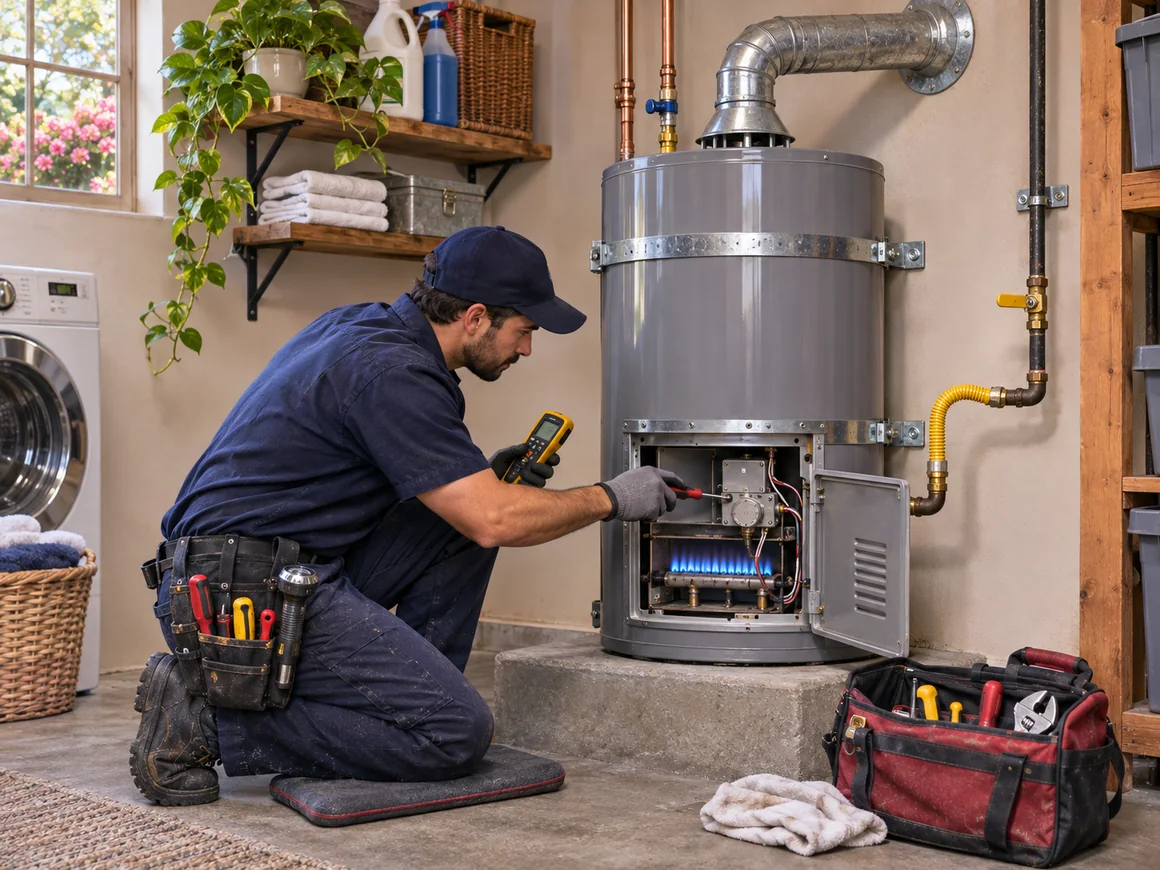
A gas heater has combustion-air, burner and venting considerations. An electric model has power and heating controls. Any inspection or testing must match the service scope and the technician qualifications.
Water Temperature and Operating Review
A professional can discuss unusual temperature changes and equipment operation. Safe settings depend on the household, scalding considerations and the heater instructions. A maintenance appointment does not automatically include every adjustment.
Ask what is included before authorizing work.
Confirm the agreed inspection, cleaning method, any replacement parts and separate repair charges.
The right maintenance checklist changes with the system. A storage tank, an on-demand heater and a heat pump water heater do not have identical components or care needs.
Gas Storage Water Heaters
Sediment and anode condition on applicable tanks, visible water connections and qualified review of venting or combustion-related concerns. Gas safety faults are not ordinary flushing work.
Electric Storage Water Heaters
Tank sediment, applicable anode protection and visible connection checks. Element or thermostat testing is a separate diagnostic activity when poor heating suggests a failed component.
Gas and Electric Tankless Systems
Model-specific heat-exchanger descaling and applicable inlet-screen, drainage or operational checks. Gas and electric models have different power, fuel and venting requirements.
Heat Pump Water Heaters
Heat-pump water heaters have components such as air filters and condensate drains that require model-specific care. Tell the team your make and model so they can confirm whether that equipment is supported before arranging service.
Know the model number if it is easy to read from the exterior label. Do not remove gas or electrical covers to locate it.
How Often Should You Flush or Maintain a Water Heater?
There is no single California-wide flushing interval. Manufacturer instructions, mineral content, equipment condition and how the heater is used should guide the recommendation.
Follow the Manufacturer’s Maintenance Instructions
A water heater tune-up should follow the manufacturer’s maintenance instructions, not an automatic flushing schedule. Some manufacturers recommend annual tank checks or periodic tankless descaling, while particular models require different intervals. Avoid applying one rule to every heater.
Water Quality and Mineral Content Matter
Water hardness and suspended particles differ by supply and location. The USGS explanation of water hardness shows why mineral buildup varies; do not assume a ZIP code alone proves hard water.
Usage, Age and Service History Change the Decision
High hot-water demand, repeated sediment issues, an unknown maintenance history and the state of the equipment may justify a more detailed assessment. A fixed annual appointment is not automatically the correct service for every household.
Assess an Older Never-Flushed Tank First
A corroded drain valve, a weak tank or pre-existing leakage can change whether flushing is safe or worthwhile. A professional should evaluate these conditions before making the tank flush part of the job.
A practical way to decide:Find the modelReview the manualConsider water and service historyConfirm an appropriate inspection or maintenance visit
Our Water Heater Maintenance and Flushing Process
We start with the heater and its condition rather than assuming every request needs the same procedure. This is the general sequence a customer can expect to discuss.
1. Describe the Heater and Location
Call with your California city and ZIP code, tank or tankless type, brand or model if known, symptoms and last service date. Explain any active leaking before discussing routine maintenance.
2. Review Heater Condition and Guidance
The technician or team considers the heater condition and model instructions, including valve condition, water quality concerns and whether the unit has been neglected for years.
3. Confirm the Scope and Charges
Clarify whether the appointment includes tank flushing, tankless descaling, visible checks or additional parts. Discuss pricing and exclusions before work is authorized.
4. Perform Appropriate Maintenance
Qualified service follows the relevant equipment procedure, with safe handling of hot water, fuel or electrical systems, drainage and any manufacturer-specific cleaning requirements.
5. Review Operation and Findings
After the agreed service, discuss observed condition and any separate diagnosis or repair concerns. The next maintenance interval should follow the model and real site conditions.
Want to discuss a service visit?
Have the heater type and your address ready when calling. A specific appointment time is confirmed by our team.
When Does a Water Heater Need Repair or Replacement Instead of Flushing?
Preventive maintenance is not a substitute for correcting a failed part or a damaged tank. A useful service discussion tells you when cleaning is unlikely to solve the problem.
A Leaking or Corroded Tank
A compromised tank shell cannot be repaired by cleaning out sediment. A small external fitting leak may have a different solution; the location and cause must be established. See Leak Repair.
Failed Elements, Thermostats or Gas Controls
A storage heater that does not heat because a component has failed needs diagnosis and possibly repair. Flushing is not a replacement for electrical or gas-control work.
Tankless Error Codes and No Hot Water
Descaling may help if mineral buildup is actually involved, but many codes point to ignition, electrical, sensor or flow issues. See Tankless Repair.
Repeated Breakdowns or Severe Equipment Wear
Repeated major problems, serious corrosion or high repair scope may make replacement sensible. A professional should compare the confirmed fault, heater condition and alternatives. See Replacement.
Maintenance: Equipment is suitable for model-specific cleaning or inspection.
Repair: A particular component, control or connection needs diagnosis.
Replacement: A confirmed tank failure or broader deterioration changes the options.
Water Heater Flushing Safety and Special Considerations
A poorly maintained heater is not always a good candidate for an immediate flush. Safety and equipment condition come before an aggressive cleaning attempt.
Hot Water, Scalding and Live Energy Hazards
Hot water discharge can burn, and water near electricity or gas equipment creates added risk. A qualified professional should assess the appliance and safe isolation approach; do not open electrical panels or dismantle fuel components yourself.
Blocked Drain Valves and Unexpected Leaks
An obstructed or damaged drain valve can interrupt a flush. On an aging heater, forcing the valve may create a larger leak. The appropriate response may be to stop and discuss a repair assessment.
Temperature and Pressure Relief Valve Concerns
Pressure relief protection is safety-critical. A sticking or leaking relief valve should be assessed under manufacturer instructions, not casually operated as an internet maintenance tip.
Water Use, Drainage and Property Protection
A tank flush uses water and needs an appropriate route for discharge. The amount and disposal considerations vary with the system, condition and jobsite. Confirm access and drainage before the service.
Gas leak or carbon monoxide alarm: Leave the building immediately. From a safe location, contact the gas utility or emergency services. Do not use switches, flames or the appliance while you suspect a gas leak.
What Affects Water Heater Maintenance and Flushing Costs in California?
Maintenance cost depends on whether the system needs storage-tank flushing or tankless descaling, its condition and access, and the inspection or cleaning steps included. Confirm the proposed work and charges for your heater. When comparing maintenance quotes, ask whether the visit covers tank flushing, tankless descaling, an inspection, a separate repair or a combination of work.
Tank Flushing Versus Tankless Descaling
Storage-tank draining and sediment removal differ from circulating a model-approved solution through a tankless heat exchanger. Equipment, access and procedures affect labor and materials.
Heater Size, Condition and Access
Tank capacity, cramped installations, a difficult drain location, corroded fittings or inaccessible service valves can change the practical maintenance plan.
Included Inspections, Consumables and Parts
Ask whether the quoted visit covers only flushing, a specified inspection, filter cleaning, solution use or separate items such as anode rod, valve or filter replacement.
Location and Additional Work Found
Scheduling and site access depend on the service address. A heating failure, active leak or damaged valve found during maintenance may require a separate repair assessment and proposal.
Ask which cleaning procedures, inspections and materials are included and whether an identified defect would require a separate repair. Changes in energy use depend on equipment condition, water quality and household demand.
Why Choose Water Heater Repair CA for Water Heater Maintenance & Flushing?
Good maintenance advice recognizes the difference between sediment, mineral scale and faults that need repair. Our aim is to make the next step clear, not sell a flush for every symptom. A good water heater maintenance provider should assess whether flushing is appropriate for the unit before proposing it, rather than treating every noise or no-hot-water complaint as sediment.
Licensed Plumbing Professionals
Licensed plumbing professionals consider the heater type and service scope, including what work is appropriate for the installation and equipment condition.
Insured Service Professionals
Insured service professionals handle maintenance requests. Confirm the applicable qualifications and scope with our team when booking.
Tank and Tankless Familiarity
A storage-tank drain valve and an on-demand heat exchanger need different maintenance procedures. Our service discussion distinguishes them rather than calling everything a flush.
Equipment-Specific Decisions
Older tanks, differing water conditions and manufacturer care instructions deserve attention before selecting a procedure.
Clear Findings and Service Options
We explain when routine cleaning may help and when a leak, failed component or damaged tank calls for a separate diagnosis or replacement discussion.
Residential and Commercial Requests
Homeowners, property managers and businesses can explain their equipment and hot-water needs. Actual equipment capability and location availability are checked individually.
Water Heater Maintenance and Flushing Service Areas in California
We serve covered communities across California with water-heater maintenance and flushing. Share your complete address, ZIP code and heater type so we can confirm availability and discuss the suitable service.
Choose a featured California city to learn about local coverage. Service options depend on your heater model, condition and access, so confirm availability for your property before scheduling.
Share the actual service address when calling, as city and ZIP listings alone do not establish coverage for every property.
Frequently Asked Questions About Water Heater Maintenance and Flushing
Answers to the questions people commonly ask before a tank flush, routine inspection or tankless descaling appointment. The model and site conditions still determine what is suitable.
How often should I flush my water heater in California?
Check the manufacturer’s manual for your exact model first. Many storage-tank guides discuss periodic or annual flushing, but water hardness, usage and condition can change the appropriate interval. California does not have one identical water-quality profile across all cities.
Is flushing a water heater the same as draining it?
No. Draining primarily removes water from a storage tank. Flushing is intended to carry sediment out with water flow when the heater and drain valve are suitable for it. A drain alone does not confirm that buildup has been removed.
What are signs of sediment buildup in a water heater?
Rumbling, popping, slower recovery or material appearing at the tank drain can raise suspicion. Those symptoms are not conclusive; heating element faults, usage changes and other conditions can look similar.
Will flushing stop popping or rumbling noises?
It may reduce noise if settled material is responsible and the heater is in suitable condition for flushing. If the sound continues, the cause may need separate evaluation rather than more flushing. If the heater still loses hot water or shows leakage, a repair assessment may matter more than another flush.
Do tankless water heaters need flushing or descaling?
Many tankless systems need periodic heat-exchanger descaling and inlet-filter checks. That process differs from draining sediment from a storage tank. Use the model’s manufacturer instructions, water conditions and condition assessment to decide what is appropriate.
What does a professional water heater maintenance visit include?
The scope varies. A visit may involve tank flushing or tankless descaling, visual connection checks, drain or inlet assessment, operating review and inspection of applicable safety or corrosion-protection components. Ask which tasks and parts are included before authorizing work.
Does flushing help if my water heater produces no hot water?
Only in limited situations where buildup is actually contributing to the symptom. A failed element, thermostat, ignition component or electrical supply problem will not be repaired by a tank flush. Persistent no-hot-water requires diagnosis.
Can an older water heater that has never been flushed still be serviced?
Possibly, but condition comes first. An old corroded tank, stuck drain valve or existing leak can make an aggressive flush inadvisable. A qualified professional should review the heater before deciding whether to proceed.
How much does water heater flushing cost in California?
It depends on whether the work is storage-tank flushing or tankless descaling, equipment access, condition, needed materials, any inspection included and any separate repairs. Ask for the proposed scope and charges for your actual heater rather than relying on a universal statewide price.
Is anode rod inspection included in water heater maintenance?
Anode inspection can matter for storage-tank models that use sacrificial rods. It is not the same as flushing, is not applicable to every water heater and may be priced or scheduled separately. Confirm the model and package inclusions with the technician.
Related Water Heater Services in California
Need help with a failed component, active leak, new heater or replacement decision? Explore these related services.
Schedule Water Heater Maintenance & Flushing in California
Call with your heater details and service location, so the team can discuss whether a maintenance visit is suitable.
Call About Water Heater Maintenance
Tell our team whether you have a storage tank or a tankless system, the age or last service date if known, and your California city and ZIP code. Mention active leakage or a serious heating fault before discussing flushing.
We can discuss available service, the appropriate scope, and what needs separate repair assessment. Scheduling and charges are confirmed for your actual equipment and address.