On-Demand Heating and a Compact Unit
Tankless equipment heats water when there is a call for it rather than keeping a full storage tank hot. A compact wall-mounted unit can be useful where a suitable installation location is available.
Thinking about a new tankless water heater or replacing a storage tank with an on-demand system? Water Heater Repair CA helps homeowners and businesses in covered California communities plan professional tankless water heater installation. Our licensed plumbing professionals and insured service professionals review hot-water demand, fuel or electrical supply, venting and installation space before discussing suitable equipment and work. You can ask about same-day installation consultations or appointment availability for your address; equipment selection, site work and the actual installation schedule are confirmed separately.
Call with your city and ZIP code, the current heater type and how many hot-water fixtures you may use at once.
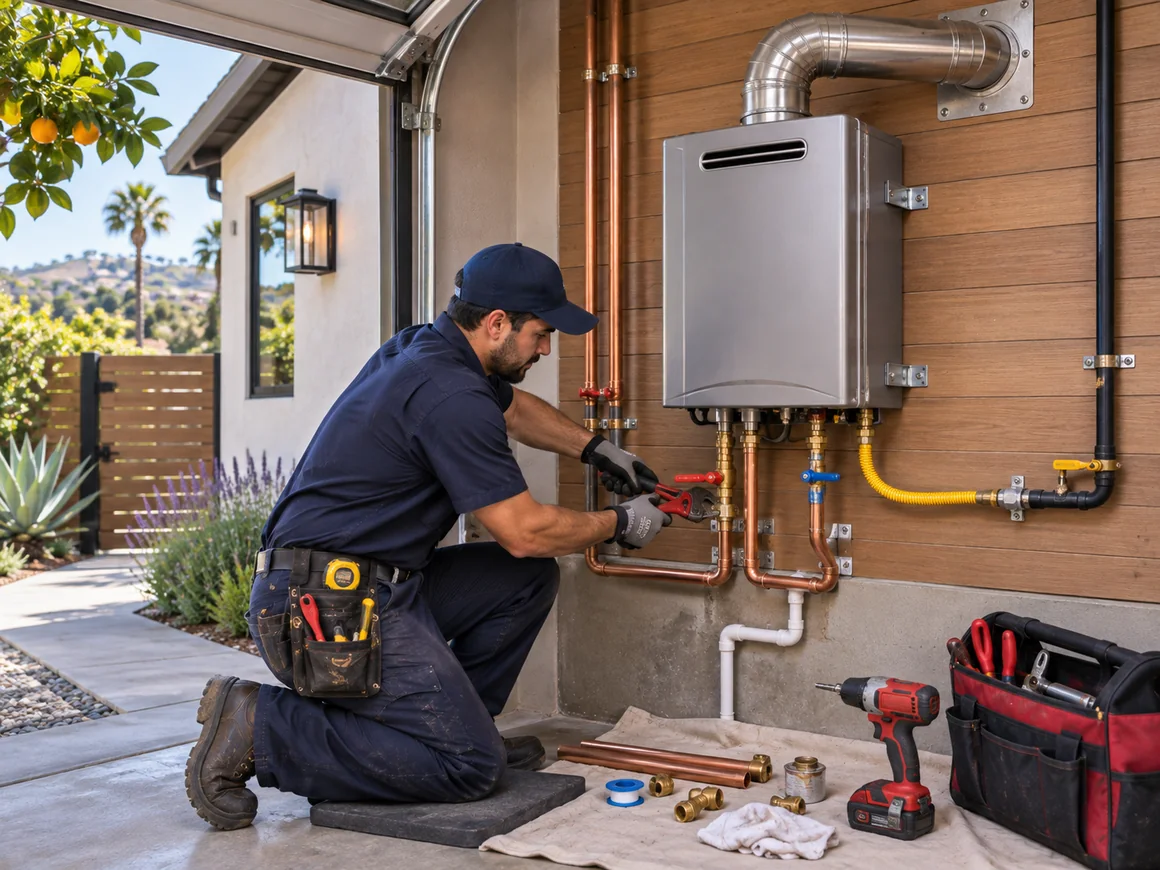
A tankless system can be a good choice, but it is not the best fit for every home, business or existing utility setup. Compare practical benefits with the limits that affect everyday hot-water use.
Tankless equipment heats water when there is a call for it rather than keeping a full storage tank hot. A compact wall-mounted unit can be useful where a suitable installation location is available.
Avoiding some storage-tank standby losses may help certain properties. Actual energy use depends on the chosen equipment, hot-water habits, fuel, water conditions and installation design.
A system selected for the property can handle the flow it is rated to deliver at the required temperature rise. That capacity is not unlimited when several fixtures run together.
The equipment and site modifications for tankless installation can cost more than a straightforward storage-tank installation. Gas, electrical and venting needs matter.
A model has a finite hot-water output in gallons per minute. Incoming cold-water temperature changes how much heated flow it can deliver at the chosen setting.
Some models require a minimum flow to begin heating and may need periodic descaling or filter care. Requirements vary with the unit and water quality.
Both gas-fired and electric tankless heaters are available, but the right equipment is limited by your property's supply, demand and installation conditions.
These units need adequate fuel supply for their maximum demand, a suitable location and model-approved combustion air and venting. A gas storage heater connection should not automatically be assumed suitable for a new tankless unit.
Electric tankless systems have no gas burner or flue, but whole-home models can need substantial electrical capacity. A qualified assessment of service, circuits and equipment output is essential before selecting one.
Listed indoor and outdoor models have different placement requirements. Condensing gas models may also require appropriate condensate handling. The model, exposure, clearances and local rules determine a suitable site.
A well-sized tankless heater needs to match both how much hot water you use at once and how much the system must raise its temperature. For an on-demand water heater, a published maximum flow rate is not the whole sizing answer: available gallons per minute change with the required temperature rise.
Tankless sizing begins with the hot-water fixtures likely to run at the same time. Two showers, a kitchen sink and a laundry connection may create a different peak demand than a single shower. Gallons per minute (GPM) measures the flow your hot-water system needs to supply during those periods.
Temperature rise is the difference between incoming cold water and the intended hot-water temperature. A property receiving colder inlet water usually needs more heating energy for the same outlet temperature. California locations do not all share one incoming-water temperature.
A manufacturer's headline maximum GPM may be measured at a different temperature rise than the one your property needs. Compare the unit's published flow-performance information at your expected conditions, not just the largest number on the box.
Some homes or commercial properties need a different equipment arrangement or a distribution-system review. Recirculation may reduce waiting at distant fixtures when properly designed, but a tankless unit alone will not eliminate the time hot water spends traveling through the pipes.
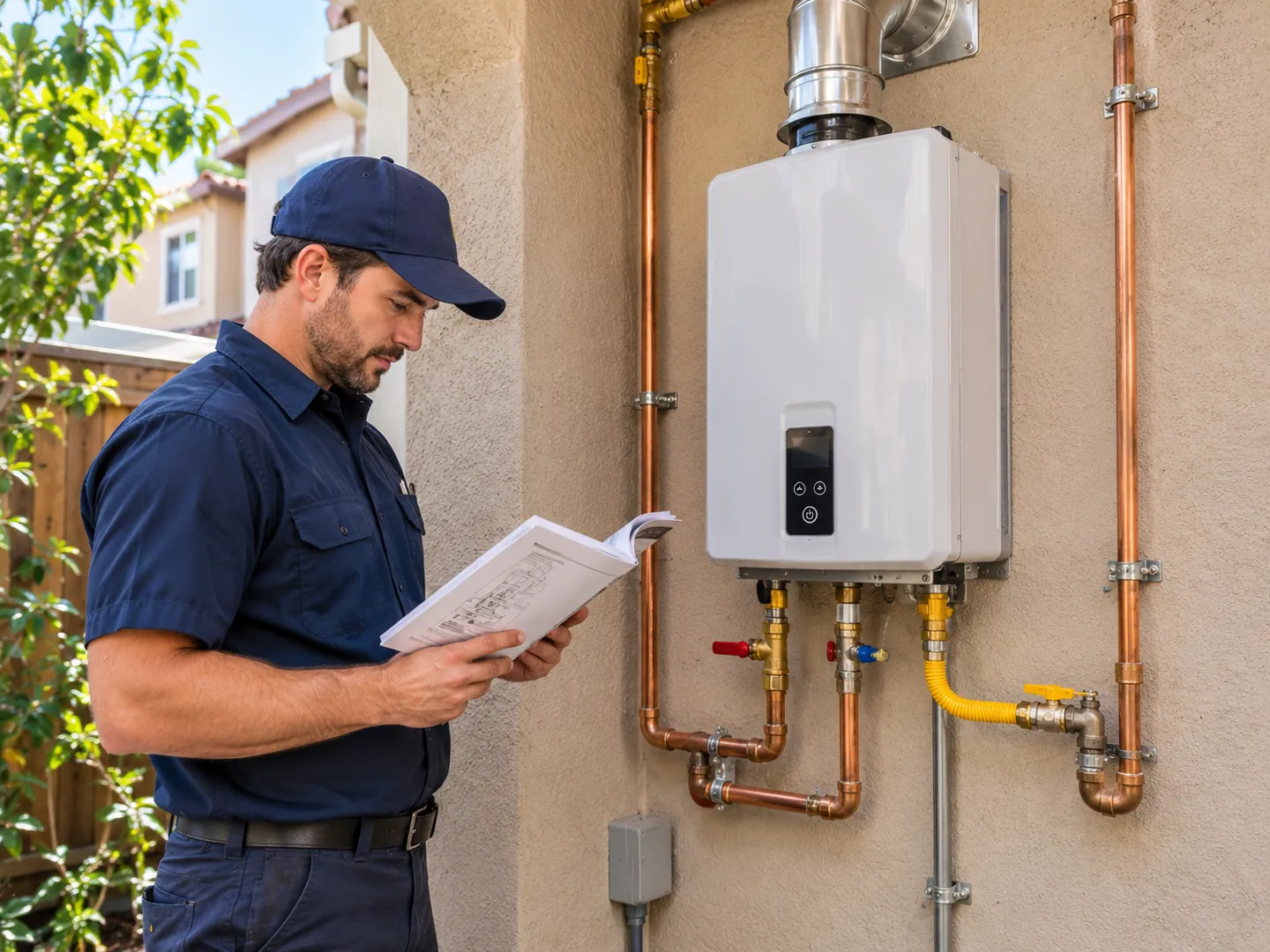
Yes, a tank-to-tankless conversion may be possible, but it is not simply swapping one heater for another. The property and selected equipment determine the added work.
A conversion includes planning for old-equipment isolation and removal, but any disposal or haul-away must be stated in the actual work scope. Tankless equipment also needs its own mounting location and access.
A gas tankless heater may have a higher peak fuel input than the old tank model and may use a different approved vent system. Whether a gas line must change depends on calculations and the selected unit, not a universal rule.
Even gas-fired tankless units commonly need electrical power for controls and operation. Water-line routing, valves and any recirculation design should be assessed for the new location.
An unsuitable utility supply, costly vent route, difficult placement or an output mismatch may make another system more practical. Ask for options before committing to a conversion.
If your existing storage heater has failed and you are deciding whether to replace it at all, see water heater replacement. For a conventional storage-tank installation, see water heater installation.
A site assessment often decides whether tankless installation is practical. These six checks cover the common infrastructure issues before equipment or a final scope is chosen.
Gas supply review accounts for the selected heater, fuel pressure, pipe run and other connected appliances. There is no reliable pipe-size rule that works for every property.
Gas appliance vent materials, termination, air supply and spacing must follow the listed equipment and applicable rules. A location that looks open may still be unsuitable.
A gas tankless model may require electricity for controls; an electric whole-home unit can require much more electrical capacity. Only qualified personnel should assess needed electrical work.
Some condensing models create condensate that needs proper routing and, where required, treatment. This is not a universal requirement for every tankless model.
Connections should allow the system to be maintained. Isolation valves, clear access and adequate space for future service are part of a practical long-term design.
A system may need a separate discussion about fixture distance and recirculation. Design and control requirements depend on equipment compatibility and code.
Describe the existing heater and where you want the new unit installed.
California has statewide energy requirements, while the permit and inspection steps also depend on the project type and the local building department.
Permit requirements and inspection procedures depend on the local city or county authority and the actual job. Confirm which approvals apply and who will handle them in the proposed scope.
California’s 2025 Energy Code took effect January 1, 2026, but a new home, an addition and a tank-to-tankless conversion are not treated as the same project. For existing single-family water-heating alterations, Section 150.2(b)1H describes eligible system options; new construction has separate requirements, including electric-ready provisions in certain homes with gas appliances. Tankless equipment must also meet its listed installation instructions and the applicable local permit requirements.
A particular tankless model has installation instructions, fuel and electrical requirements and permitted locations. Relevant work must be performed under the appropriate qualifications and approvals.
Seismic provisions, water-system details, pipe insulation and other installation conditions may apply depending on the jurisdiction and design. One municipality's checklist is not a statewide rule.
For current state guidance, see the California Energy Commission water-heating resources and its 2025 water-heater alterations guidance. Confirm permit details with the authority for your specific address.
A tankless installation should begin with sizing and readiness, not with picking equipment by its maximum advertised GPM alone.
Share the location, property type, current equipment and which fixtures are likely to run together. These details frame the sizing discussion.
The professional reviews peak flow, required temperature rise, available fuel or electrical service, venting, drainage and a suitable equipment location.
Review the proposed system, required infrastructure changes, identified code or permit requirements and charges before approving the work.
Qualified professionals perform the agreed installation and connections as appropriate for the selected model and site. Any added utility work requires the appropriate scope.
The installer reviews the finished system's operation and explains relevant controls, service access and manufacturer maintenance considerations.
We can discuss whether a new installation or conversion fits the site.
Tankless installation costs depend on the selected model, fuel type, required connections and work at the property. Review the equipment, materials, labor and any additional utility or venting work included in the proposed scope. Compare complete installed scopes rather than appliance prices alone, including any changes to gas supply, venting, electrical capacity, mounting or commissioning.
Gas, propane and electric equipment differ in capability and cost. Condensing features, rated output and selected model affect equipment choices.
Replacing a compatible existing tankless model may involve different work from removing a storage tank and changing the system arrangement.
Gas-line calculations, electrical upgrades, approved vent routes or condensate provisions can add materials and labor when the site needs them.
Difficult working space, equipment placement and local approvals affect the schedule and proposed installation scope.
Recirculation, new controls or changes to distant fixtures should be discussed individually and priced only if actually included.
Timing depends on what is already in place and what the new system needs. We do not promise a fixed number of hours or an immediate completion date without reviewing the job.
Where the selected replacement is compatible with the location and connections, the project may need fewer changes. Compatibility must still be checked rather than assumed.
A conversion may involve new wall placement, venting, power or fuel work and a different service layout. Such changes can affect installation time.
Equipment delivery, access, permits, inspection schedules and problems discovered at the site may influence completion timing.
Ask which parts of the project are scheduled, which depend on equipment or inspections, and whether additional trades may be needed for the selected installation.
Customers need an installation that suits their property, with clear explanations of what the equipment can and cannot provide. When choosing a tankless water heater installer, ask how the proposed model meets simultaneous fixture demand and what site or permit work is included.
Qualified plumbing professionals assess relevant equipment and plumbing work rather than treating every wall-mounted heater as a simple plug-in replacement.
Insured service professionals perform the work within the confirmed project scope. Ask about qualifications relevant to your installation.
The conversation starts with fixture demand, incoming water temperature and model output instead of assuming that a headline GPM fits every home.
Gas supply, approved venting, available power, clearance and drainage are considered when evaluating a suitable tankless location.
You should understand the proposed heater, site modifications and responsibilities before authorizing installation work.
Our statewide service scope includes homes and commercial properties. Equipment capability and actual address coverage are confirmed individually.
We provide tankless installation information for communities across California. Tell us your city, ZIP code and property type so we can confirm service availability and discuss the installation requirements.
Choose a California community below to learn about local service coverage. Tankless installation may require a site review for gas supply, electrical capacity, venting and hot-water demand. Call with the complete address to discuss your options.
Call with the service ZIP code, full address and tankless installation needs so coverage can be checked.
These answers cover the questions to resolve before choosing a tankless system. Exact installation needs depend on the equipment and your property.
Often yes, if the selected system fits the property. A conversion may need new mounting, gas or electrical changes, venting, water connections and local approvals. The scope is different from replacing a tank with another tank.
Start with the hot-water fixtures you may run together and the required temperature rise. Compare that demand in GPM with the selected model's output at the relevant inlet-water temperature, not just its maximum advertised flow. Ask for the proposed output at your expected inlet-water temperature, not only the advertised maximum flow rate.
Neither is automatically better for every site. Fuel availability, peak demand, gas supply, electrical capacity and installation requirements determine which option is practical for your property.
It may, but it cannot be determined from the current pipe size alone. The installer must review equipment input, pressure, pipe length and the demand of other gas appliances. Do not assume every conversion requires a larger line.
Permit and inspection requirements depend on the city or county, the project and the installation work. Check the local building department and clarify responsibility for permits in your proposed scope.
Yes, if the unit or system has enough capacity for their combined flow at the required temperature rise. Simultaneous use can exceed a smaller model's output even if its maximum rated GPM looks high.
Some units are listed for outdoor installation, but not all models are suitable. Exposure, clearances, manufacturer instructions and the local installation environment determine whether an outdoor placement is appropriate.
It varies. Replacing a compatible existing tankless unit may involve less work than a storage-tank conversion requiring new venting or utility changes. Equipment availability and permit or inspection steps also matter.
The equipment, output capacity, fuel type, installation location, conversion work, venting, gas or electrical changes, permits and optional distribution features all affect cost. Request the proposed scope before relying on a price.
Most modern tankless water heaters rely on electricity for controls and operation, including many gas-fired models. Without suitable backup power and a compatible setup, you should not assume hot water will continue during an outage.
Explore other water-heater services for storage tanks, existing system faults, replacement decisions and maintenance.
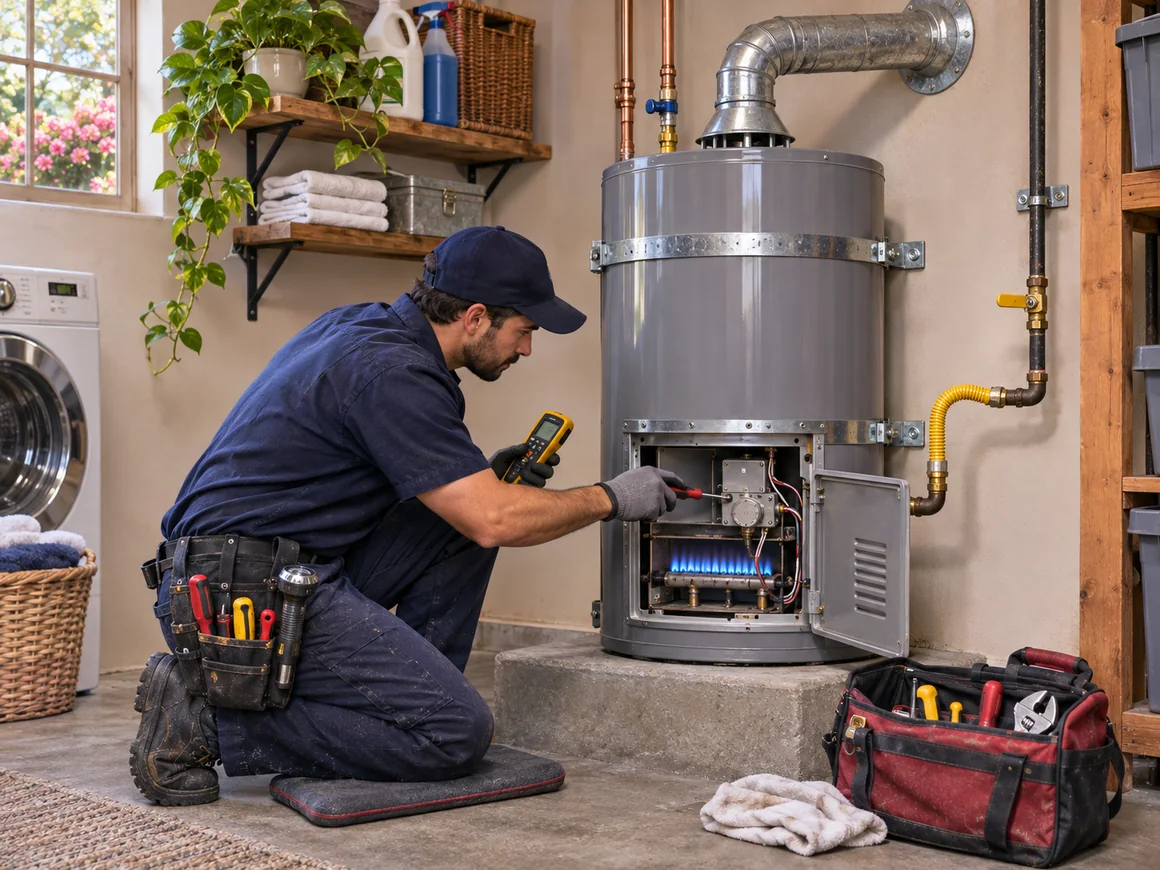
For problems with an existing gas water heater, review ignition, burner and control-related service.
Learn About This Service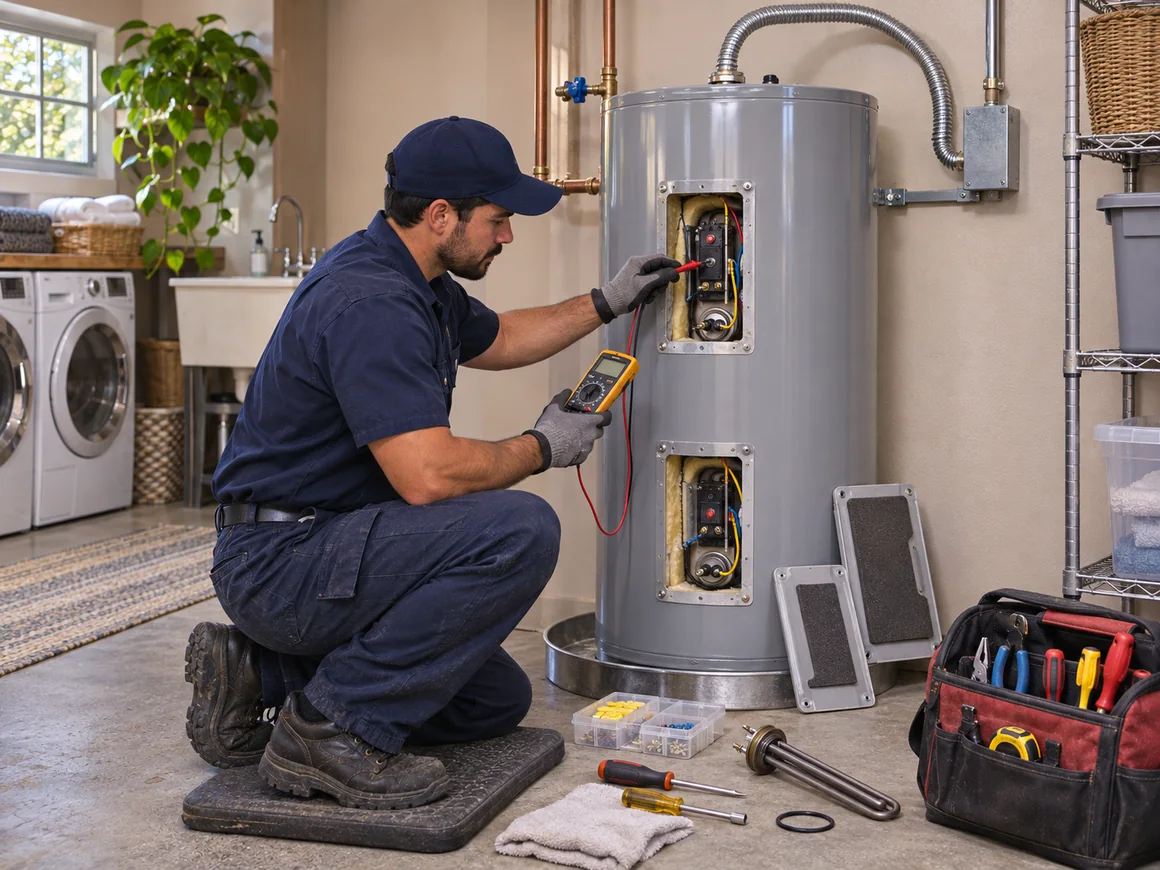
If an existing electric heater has lost heat, find out what a repair assessment may involve.
Learn About This Service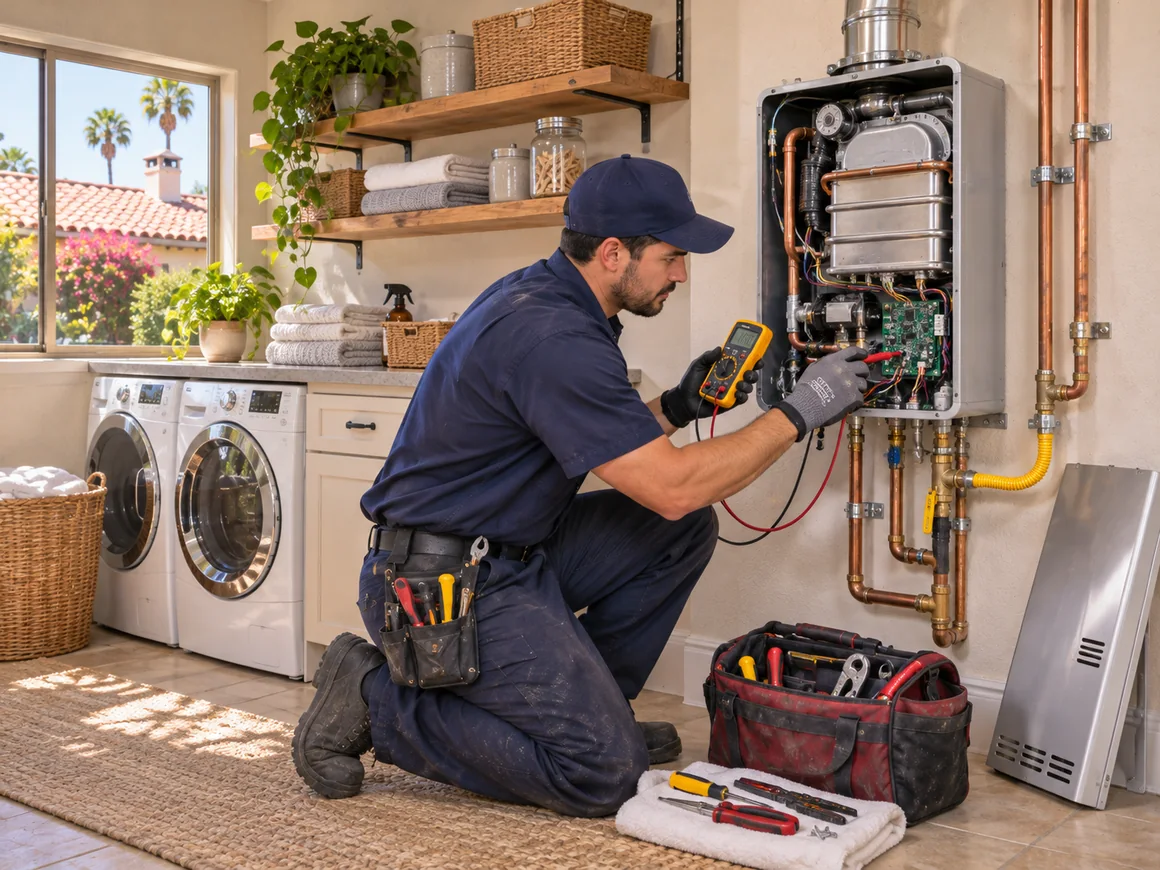
If an existing on-demand unit shuts down, displays a fault or cannot keep up, start with a model-specific repair assessment.
Learn About This Service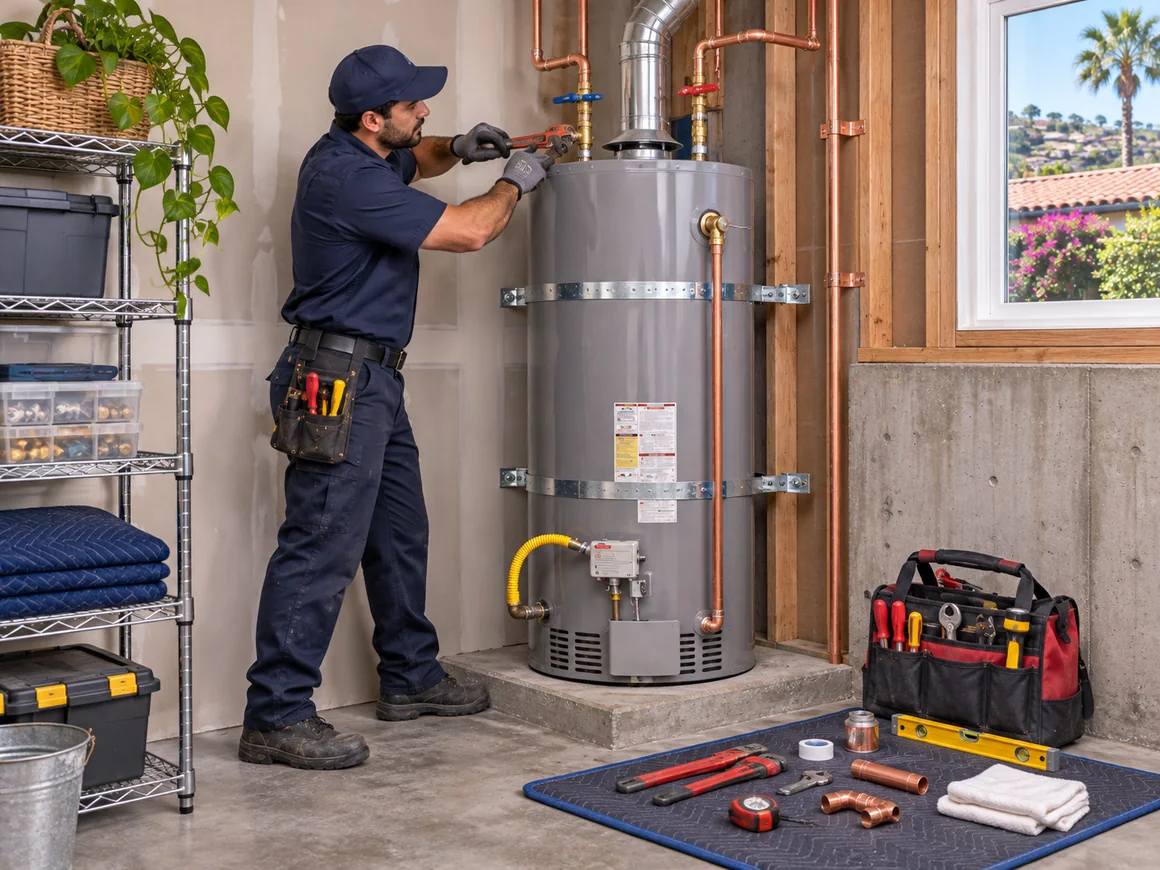
Considering a conventional gas or electric storage tank instead? Compare the setup and sizing needs for a new tank-type system.
Learn About This Service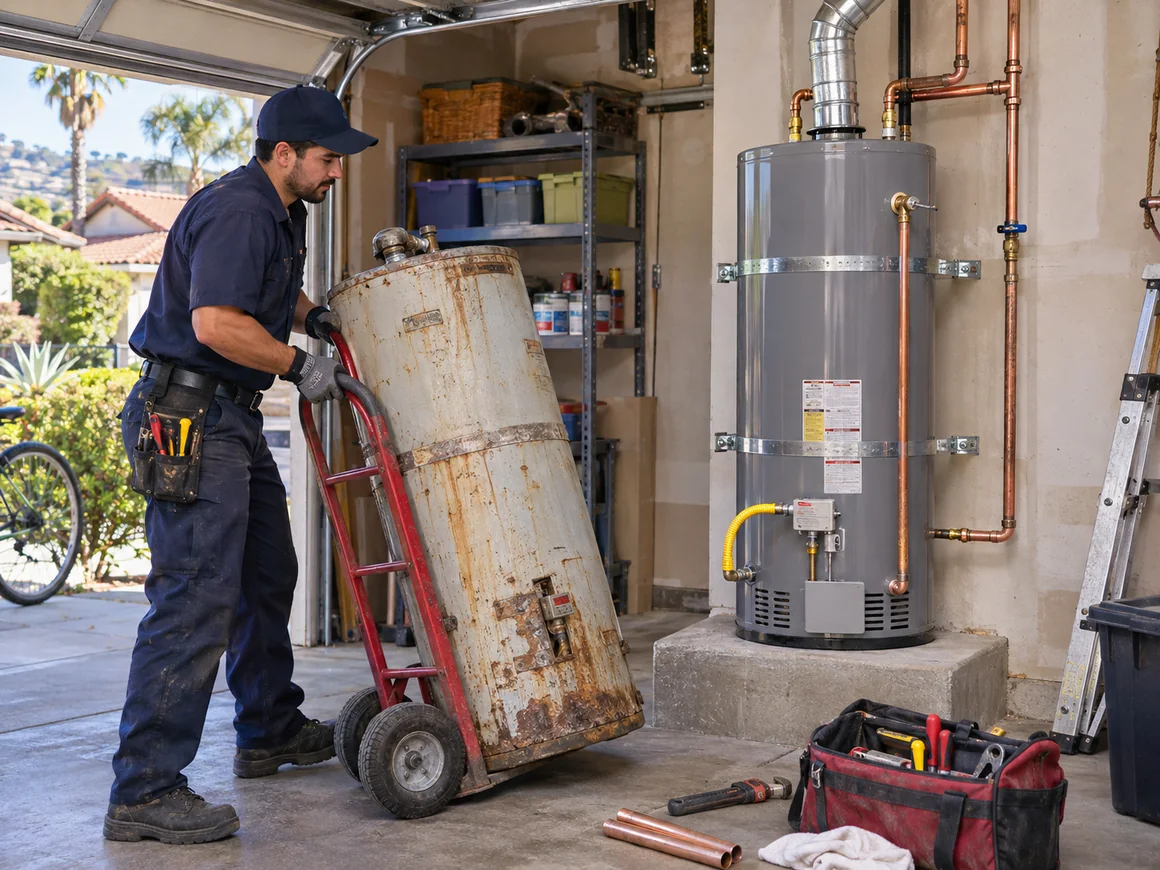
Review a failing heater and the reasons to retire it before choosing the equipment that comes next.
Learn About This Service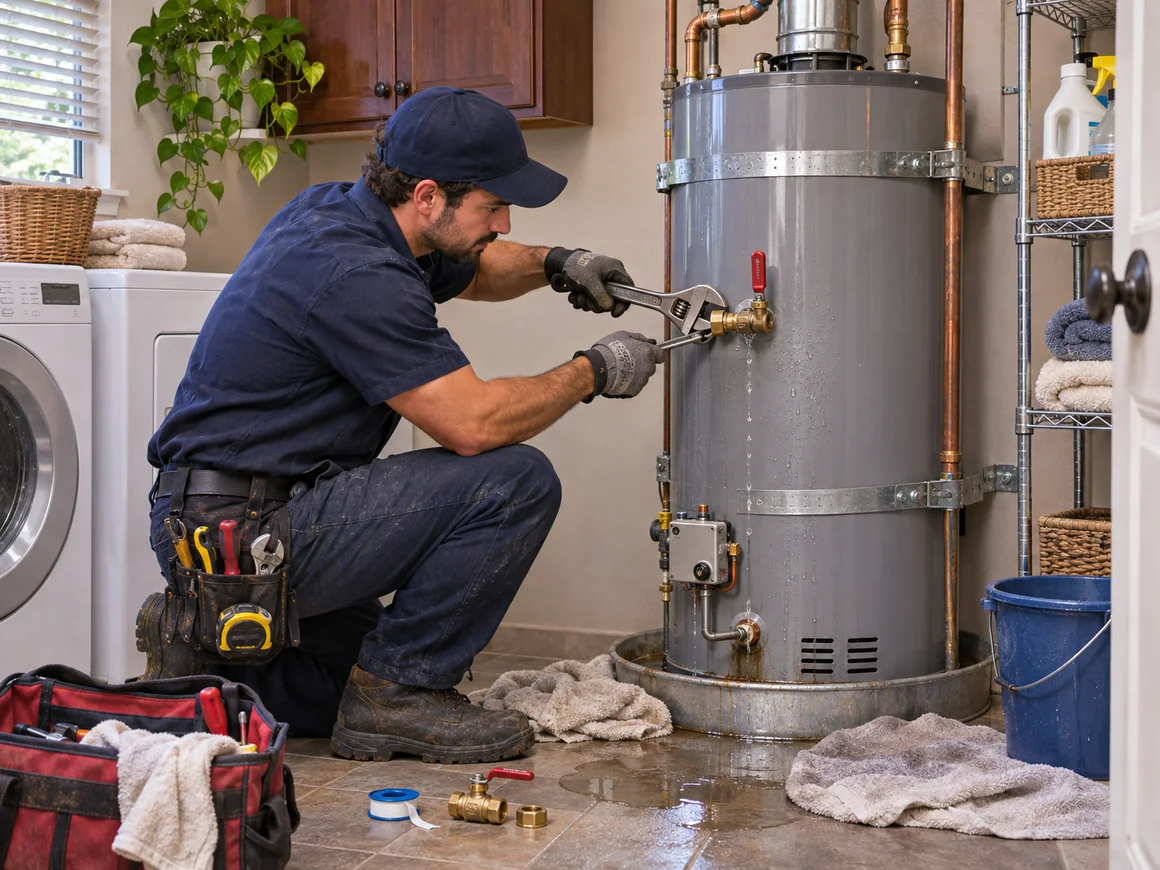
A leak from a valve or connected fitting may call for targeted service rather than a new system.
Learn About This Service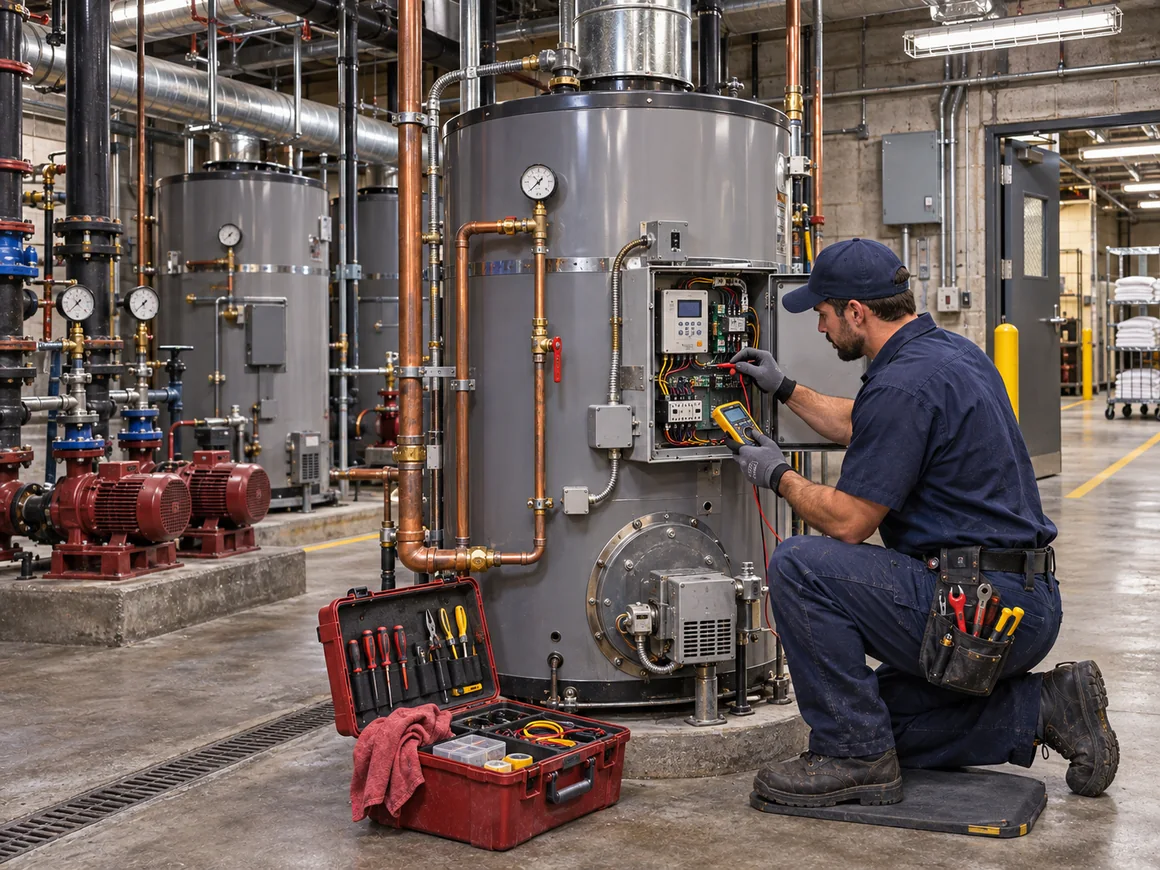
Businesses with faults in existing water-heating equipment may need commercial repair, not a new installation.
Learn About This Service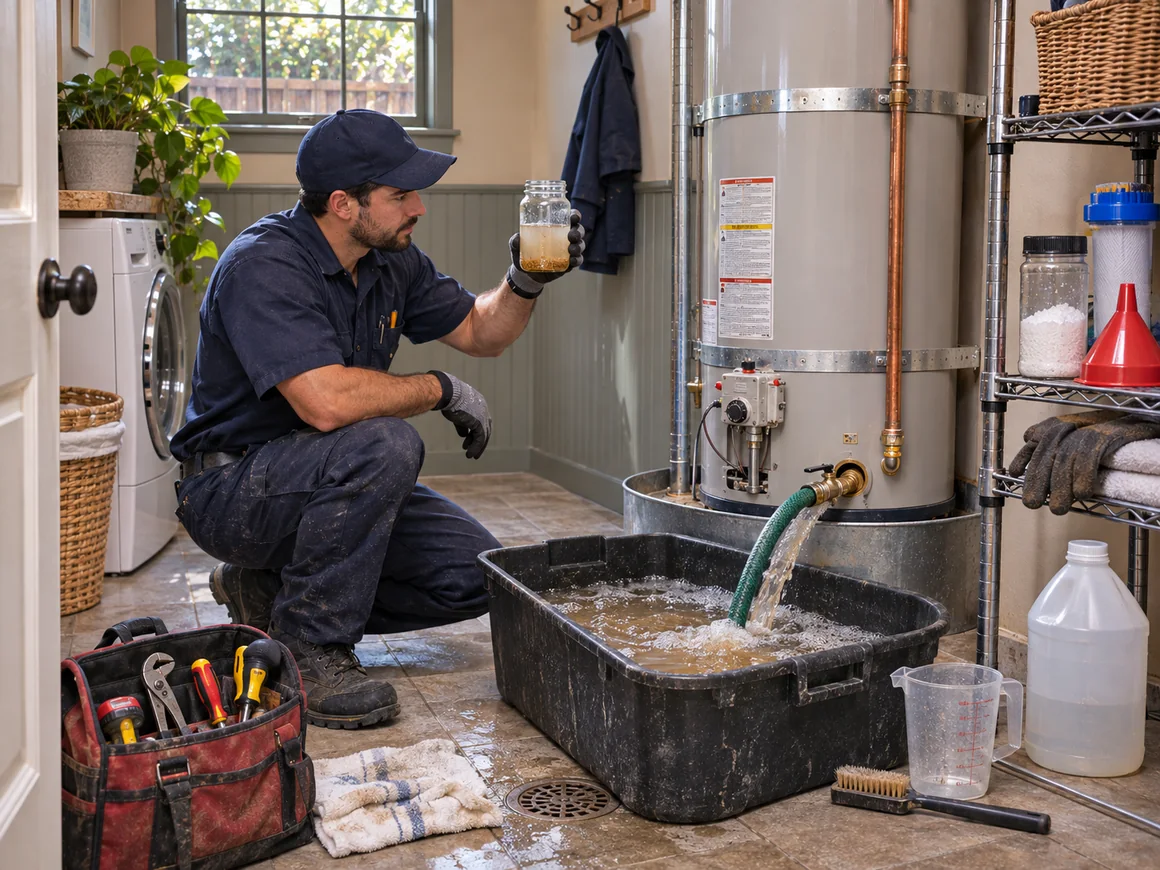
Learn when tankless descaling and routine equipment care may be appropriate after installation.
Learn About This ServiceTell us your city, current heater and the type of tankless installation you are considering. We can discuss the available next steps for your property.
Call with your California city and ZIP code, current water heater type and expected peak hot-water use. Our team can discuss whether the property can support tankless installation and what a professional assessment may need to cover.
(800) 370-2296Calls are the fastest way to describe a potential conversion or new installation. Scheduling, available equipment and the agreed scope depend on the project.